

(This article has previously been published in Italian food magazine Cook_inc.)
Photo by: Emily Wilson Photography & Film
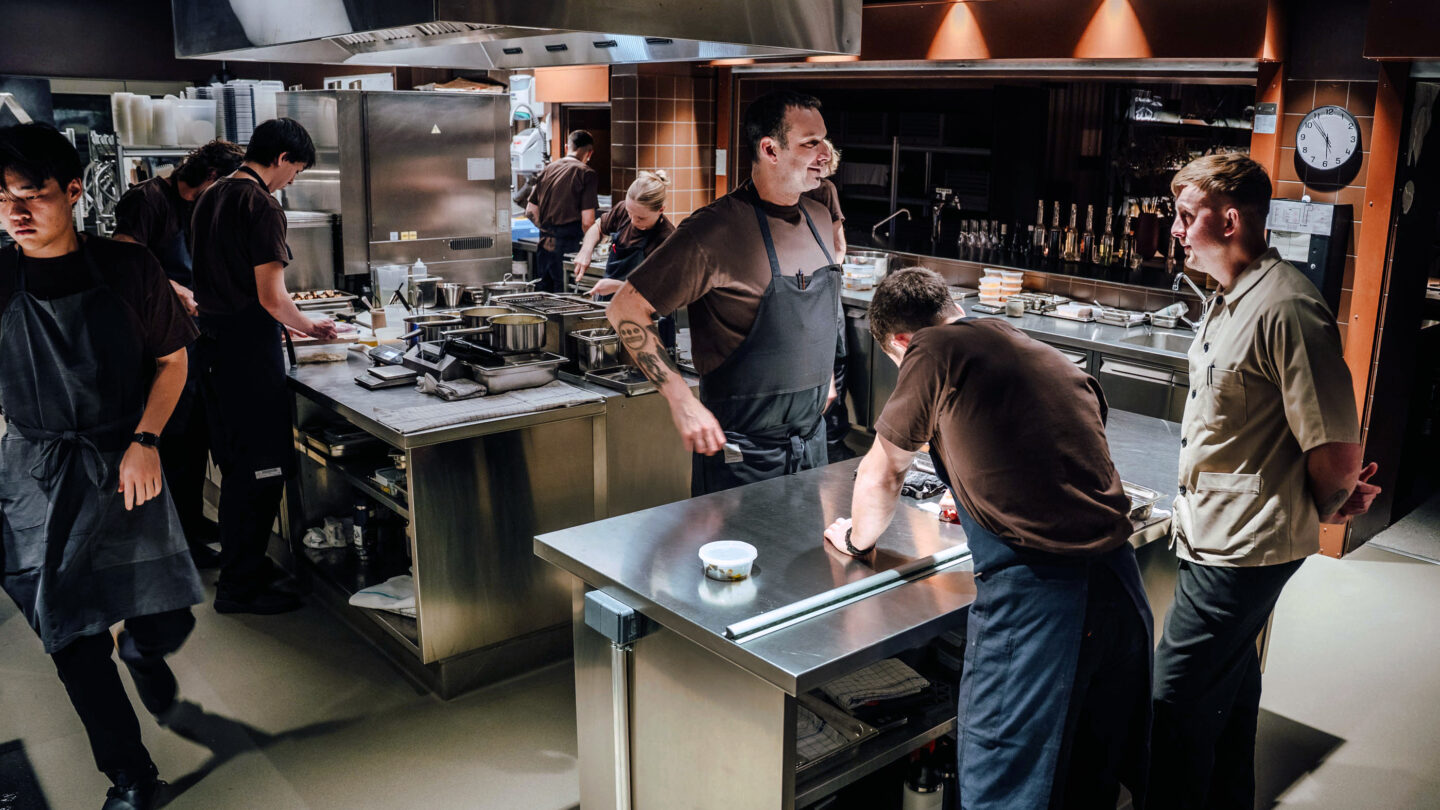
Californian chef Matt Orlando has returned to Denmark after a two-year stint in Singapore. After positioning his former Copenhagen restaurant, Amass (2013–2022), as one of the world’s most sustainable dining destinations, Orlando now takes that mindset several steps further with his new restaurant, ESSE. Recently, the restaurant was awarded its first Michelin Star in the the Michelin Guide Nordic Countries 2026.
The cured zander is served in a small ceramic bowl placed inside a larger one. The outer bowl is filled with dried, matte, powdery green tomato leaves and sprigs, creating a striking backdrop for the dish. The greens are not meant for eating, although tomato leaves are also used as an ingredient.
Visually, the dish is very appealing, with reddish and yellow hues and glittering juices collecting at the bottom. The aromas are enticing and mouth-watering.
Small pieces of cured fish blend with deeply flavoured preserved tomatoes, cream of toasted tomato leaf, and beach onions preserved in salt and vinegar. Chilli seeds and trimmings, which are smoked, dried and blended with oil, finish the dish, adding to the depth and addictiveness.
An impressive 70 percent of the former staff from restaurant Amass have returned to work with Matt Orlando at ESSE. Since Amass closed in 2022, they had dispersed across the restaurant world.
“I worked at Ernst in Berlin, and then in Australia,” says one of the current staff. “But then Matt called.”
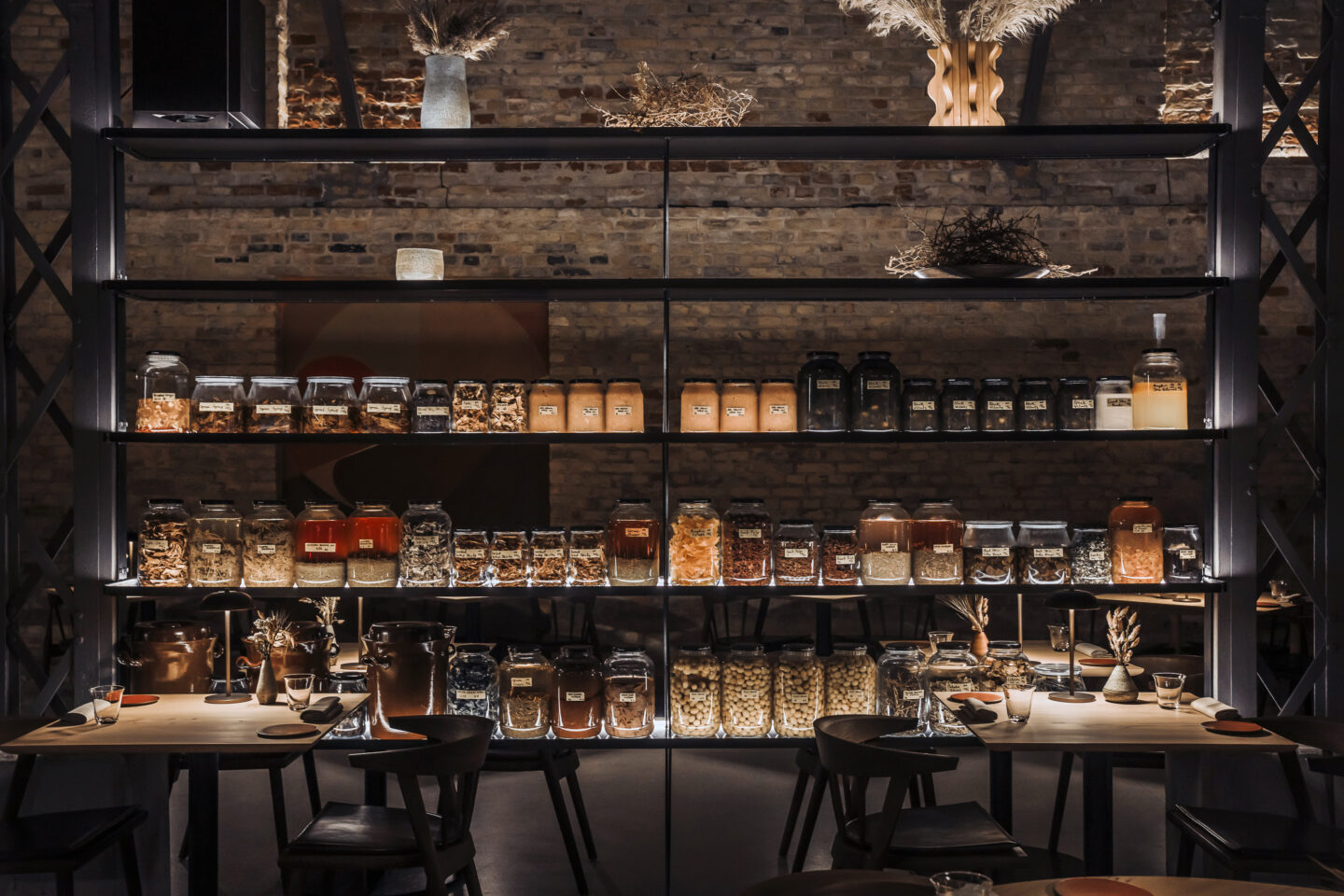
Another familiar element from that era that also returned is the fermented potato bread. A signature dish at Amass, it is now fermenting in large glass containers displayed on shelves in the dining room. After a week of lacto-fermentation, the potatoes are turned into flour and baked into a juicy bread with a sticky, caramelised surface rich in Maillard flavours.
“Pumpkin, pumpkin, pumpkin,” Orlando says as he serves another dish. The phrase is an accurate summary. The crown prince pumpkin, aged for 6–8 weeks, is used in its entirety and prepared using multiple techniques, resulting in a dish that feels both nuanced and complete. One key component is the intensely flavoured pumpkin sauce made from the skin.
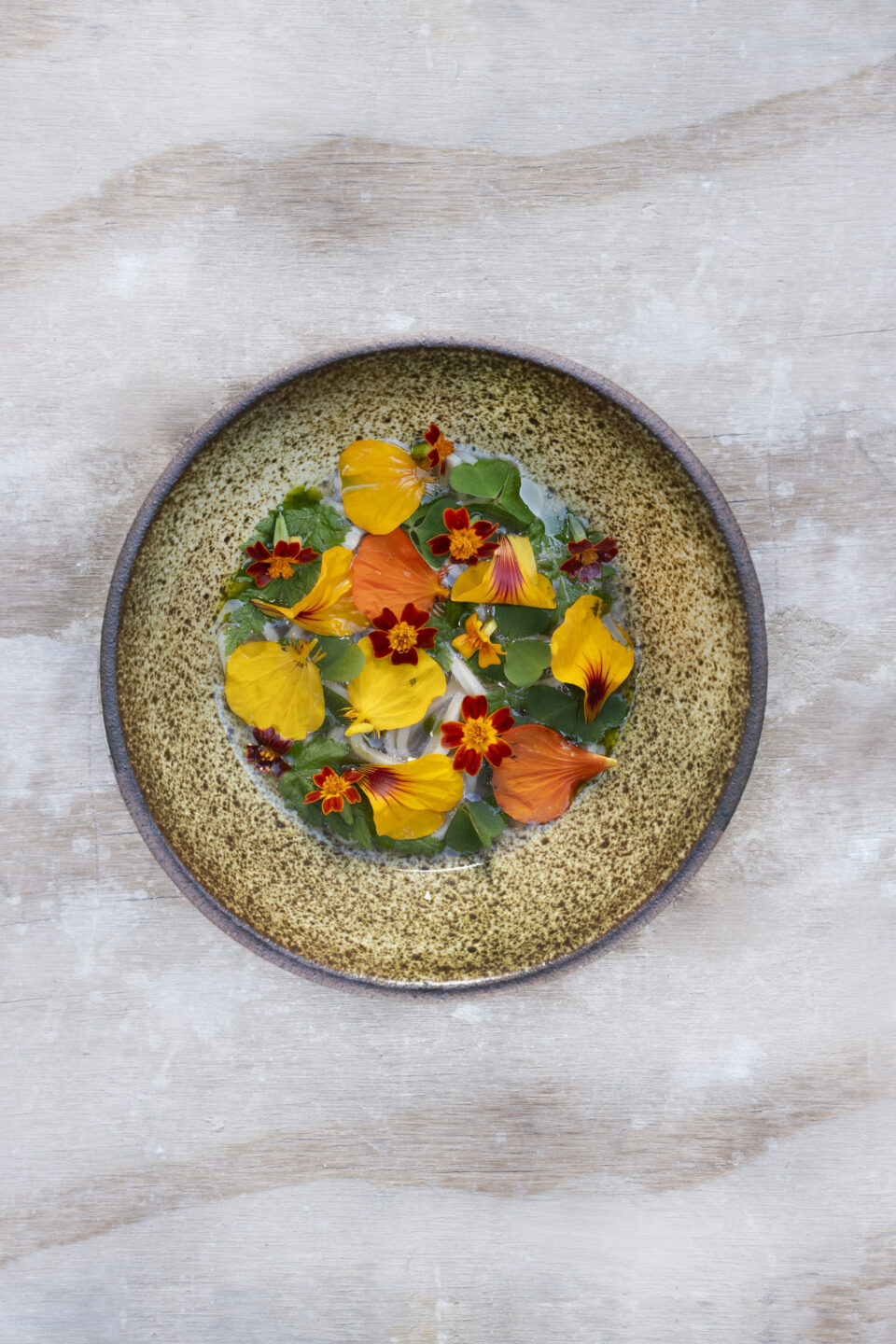
”The hard outer skin is ground up with onions and garlic and roasted in a pot until it is deep and caramelised in colour and flavour, says Orlando. “We then puree it with honey and miso to create a ‘hoisin’”.
Those familiar with the creative energy of the southern part of Copenhagen’s former industrial harbour— the home of Orlando’s former restaurant Amass as well as Noma, Alchemist, and bordering the herb-scented gardens of Christiania—may want to turn their attention north[KF1] . Nordhavn, where Orlando’s ESSE is located, is covering more than two square kilometres, and is undergoing a long-term transformation scheduled to run until around 2060. Its metro station opened in 2020, and the ambition is to create what planners call the world’s first true “five-minute city.”
The neighbourhood is designed to reduce the need for transportation, with daily necessities available within walking distance once the area is complete. The architecture and urban planning promote a largely car-free lifestyle, dominated by pedestrian streets. The atmosphere is so clean and orderly that it almost makes you want to take your shoes off outdoors.
ESSE occupies a brick warehouse in Nordhavn built in 1895, with high ceilings and an open kitchen. Hanging from the ceiling are reinterpretations of Poul Henningsen’s iconic artichoke lamp, made from leftover oak wine barrels. Two large wooden storage shelves filled with preserved and fermenting vegetables—forming a patchwork of colours—define the dining room.
Further out toward the sea in Nordhavn is one of ESSE’s close collaborators: the beverage producer Muri Drinks. Working under the motto “liquid gastronomy,” the team at Muri, led by founder Murray Paterson, meticulously assembles cuvées of non-alcoholic beverages. These are dry, complex, well-balanced drinks often created using a number of fermentation methods and ingredients, like kvass, water kefir, kombucha, wine yeast, lacto-fermentation, and koji. Of the company’s eight full-time employees, three are chefs with backgrounds in kitchens such as Mugaritz in the Basque Country and Copenhagen’s Alchemist.
The collaboration works both ways. The teams at Orlando’s restaurant and Muri co-create beverages tailored for the menu at ESSE, often made from side streams from the restaurant. Like a pairing for the cured zander and the potato bread: a drink made from juniper kefir, pear skin infusion, and fermented gooseberry juice. It’s spot on.
At ESSE, they pressure-cook their fish stock. The high temperature not only gives great extraction of flavour, but also breaks down the bones. This gives the background to another dish: the fish bone noodles.
”We puree the bones until they are completely smooth, add egg yolk and starch, make a dough from that mixture and then make noodles from that dough,” says Orlando. “The protein and collagen help with the texture of the noodles as well.”
In a blind test, no one would guess these noodles are made from fish bones. The texture and flavour are just too good, too authentic. Adding to the impression is the aromatic broth with crunchy turnips, red shiso and thin, extraordinarily flavourful slices of dried egg yolk that resemble bottarga.
The beetroot skewers have an exceptionally appetizing, somewhat chewy consistency, resembling smoked and dried charcuterie with their dense umami flavour. The skewers are made by first roasting the beets in spent coffee grounds, then slicing them thin, drying them and rehydrating them in a reduction of beet juice. They’re topped with sunflower seed yoghurt and salted quince.
The meal concludes with a cookie with yummy, dense chocolate, or is it really? The cookie is flavoured with THIC, a product developed by Orlando’s startup, Endless Food Co, which he founded with two chef-colleagues. The list of ingredients of the chocolate alternative includes spent brewery grain and cacao shells, along with a few closely guarded secret components. It contains no palm oil or additives and, according to Orlando, is not a particularly complicated product to make, although the exact process is also a secret.
Prior to being used in the cookie served with whipped cream at ESSE, THIC has been introduced to the market in a large-scale collaboration with 7-Eleven stores across Denmark and other Nordic countries, replacing chocolate in their cookies. The result has been commercially successful.
“Not only did cookie sales increase,” Orlando says, “but they didn’t receive a single complaint. If we had announced from the start that this wasn’t chocolate, people would already have decided they didn’t like it.”
For Orlando, this serves as an important lesson in how to normalise alternative ingredients and ways of thinking about food. The way to communicate ideas is not necessarily through detailed information.
“We’re trying to tell this story through deliciousness. Because that’s the only way we’ll get through to people.”
A vision of ESSE is to be a source of inspiration and a library of techniques and practices for other restaurants with similar mindsets. Restaurants that are concerned with where and how their vegetables are produced, how the fish they serve is caught, and how to treat their produce and resources with utmost respect.
Therefore, ESSE will be a 100 percent open-source restaurant.
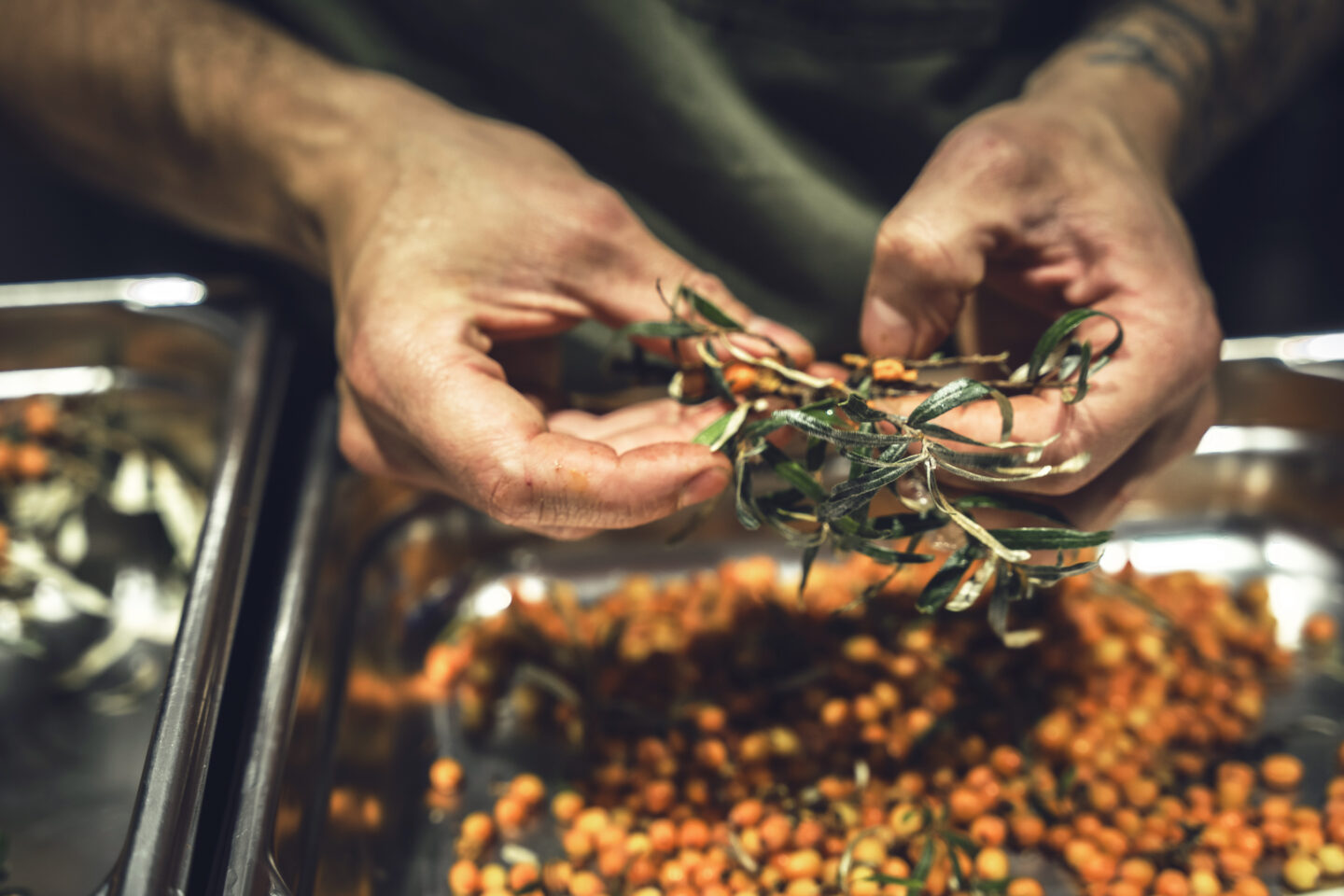
“I’m working on a real strategy to put everything out digitally,” says Orlando.
For him, it’s all about taste.
“I don’t care if your product has the least environmental impact, I don’t care if it’s the most sustainable. If it’s not super delicious, it is irrelevant, completely irrelevant, it will do more harm than good,” he says. “Deliciousness must be the driver.”