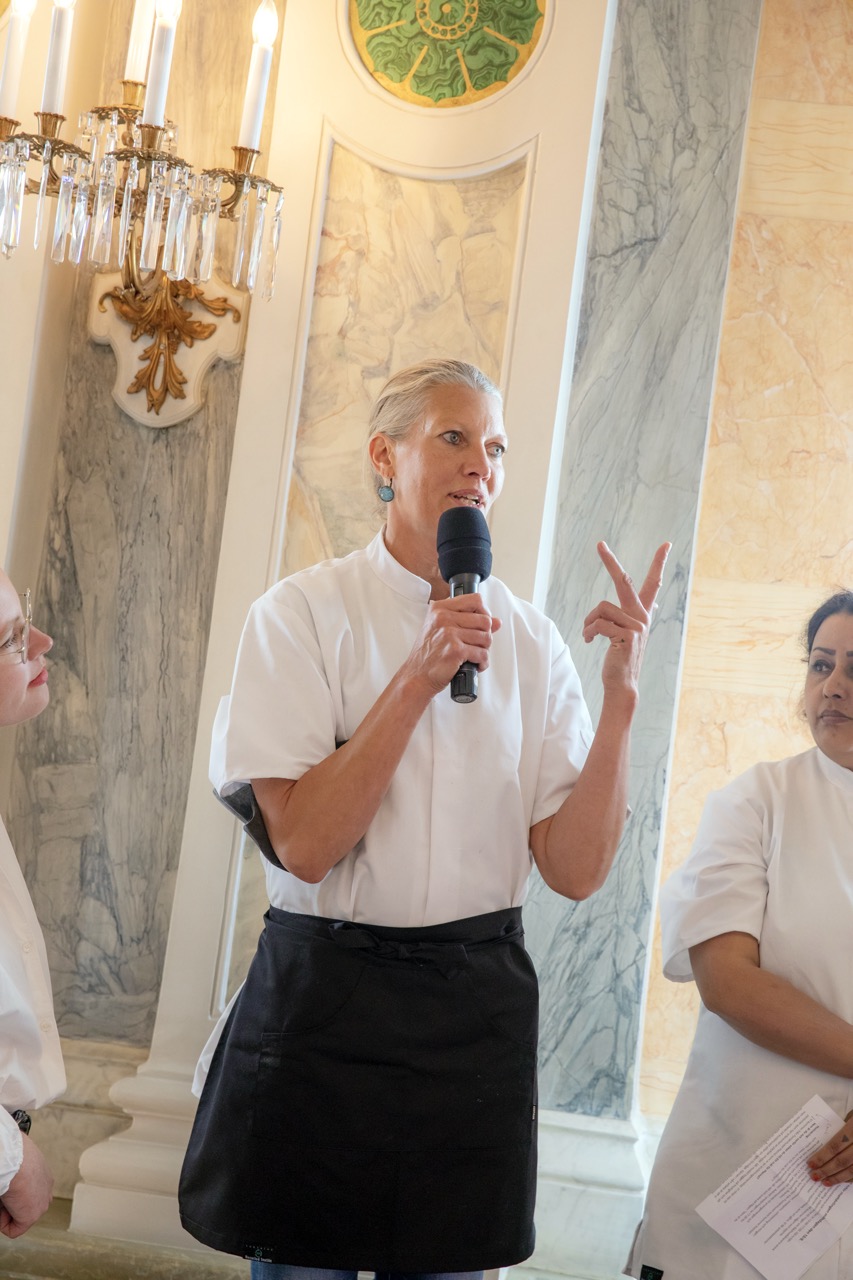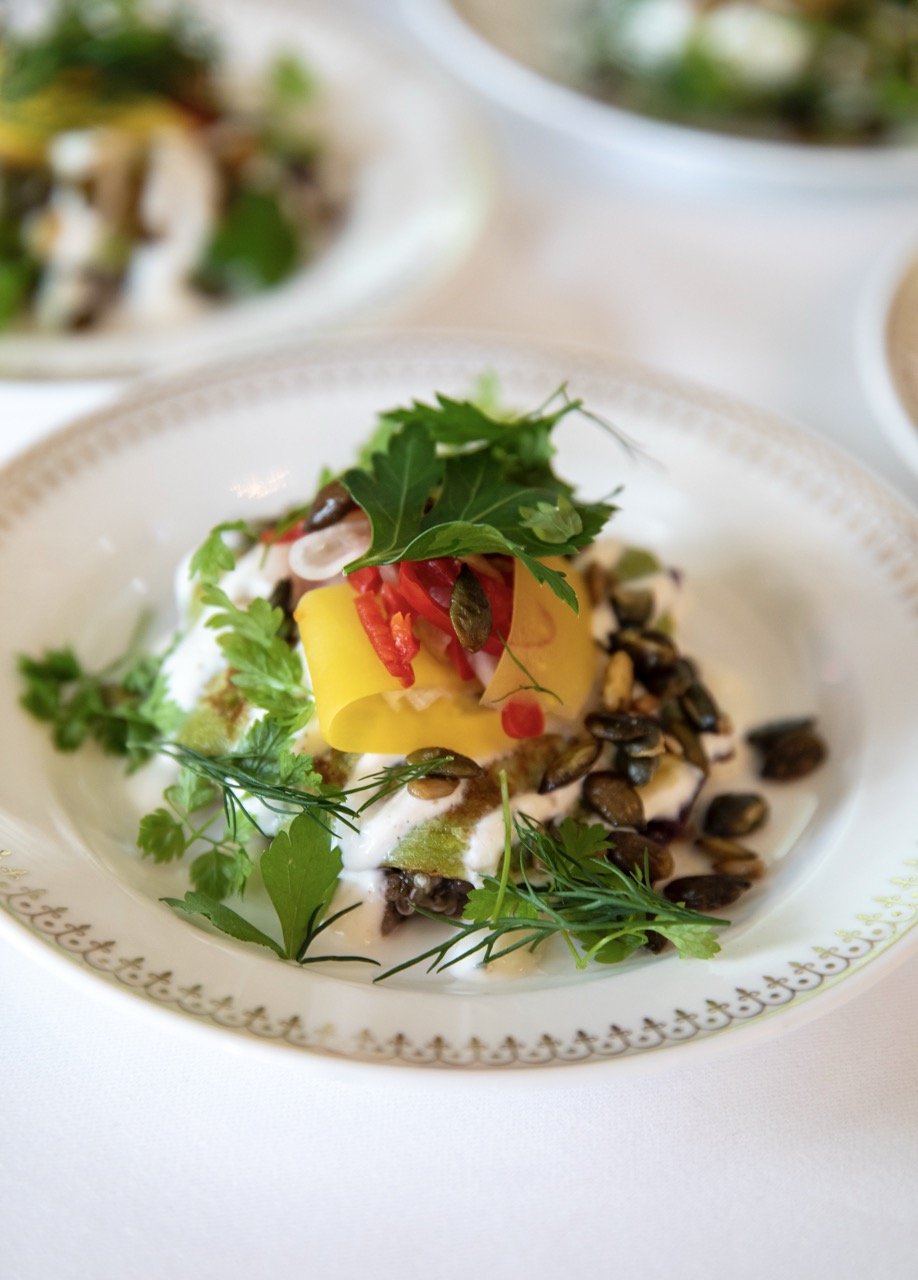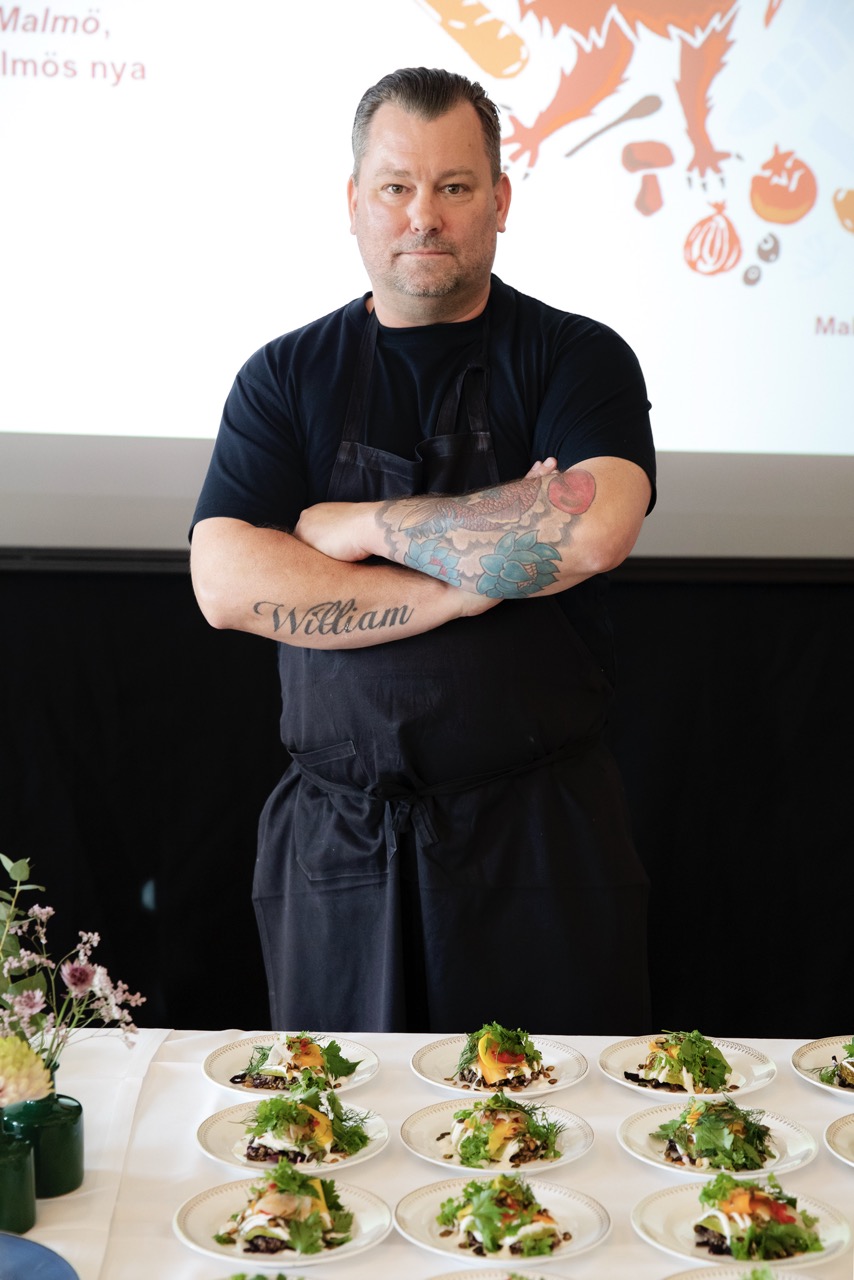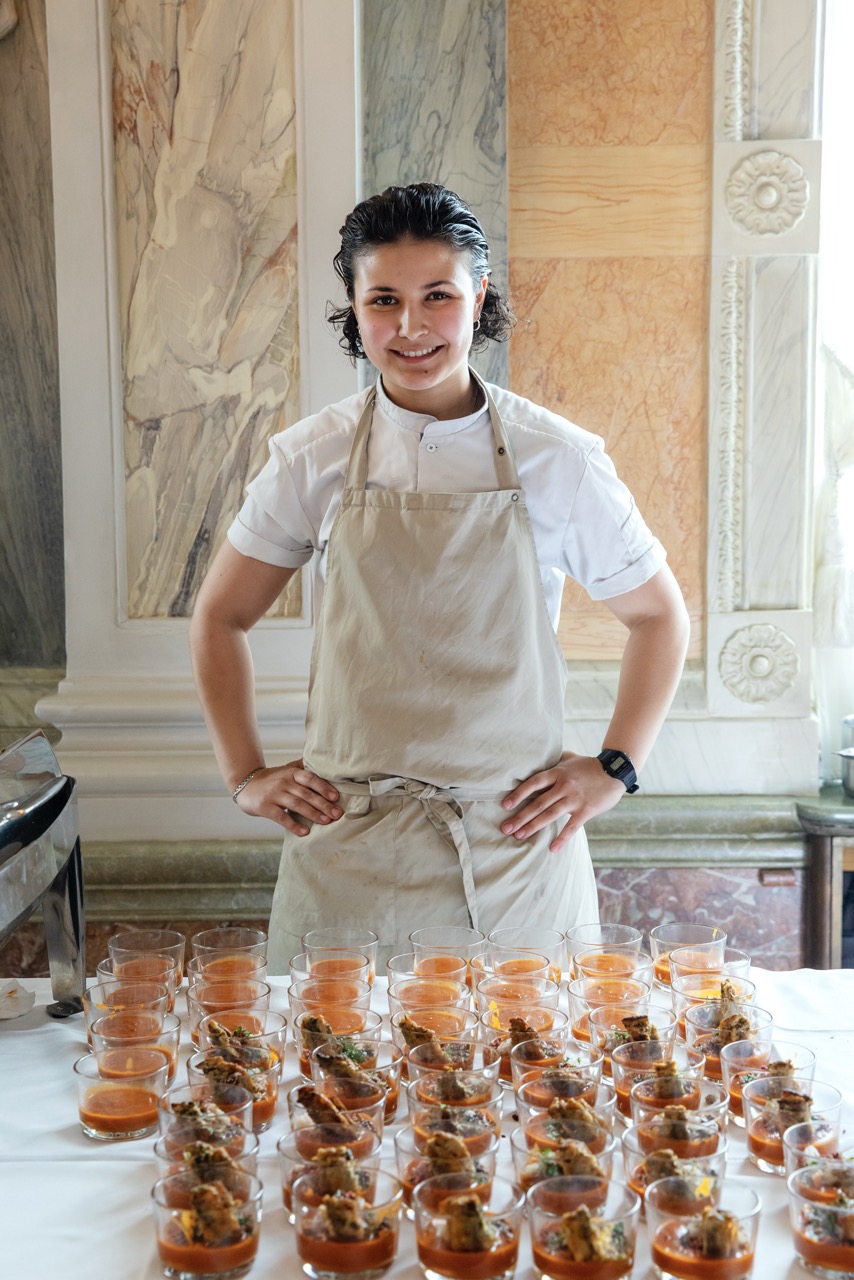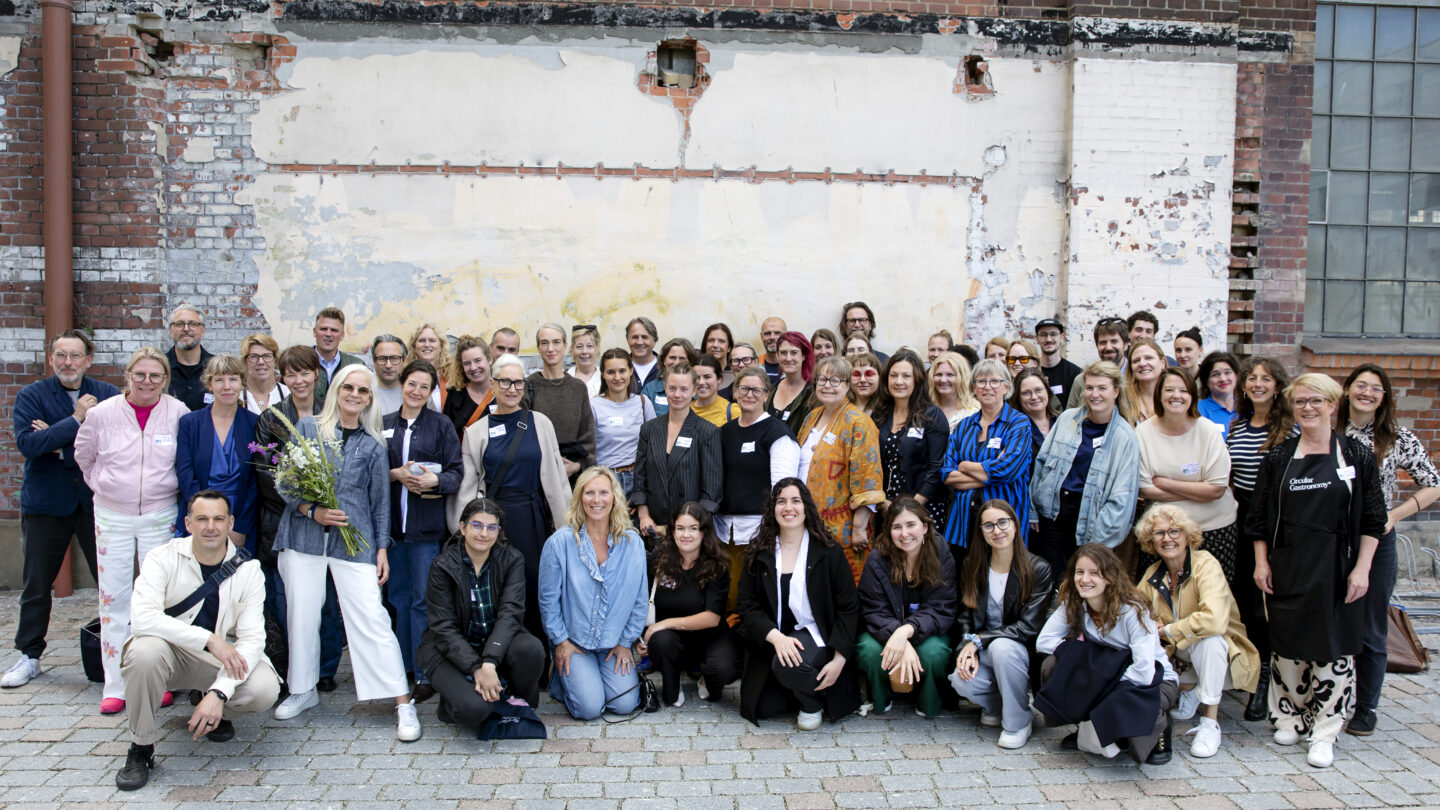
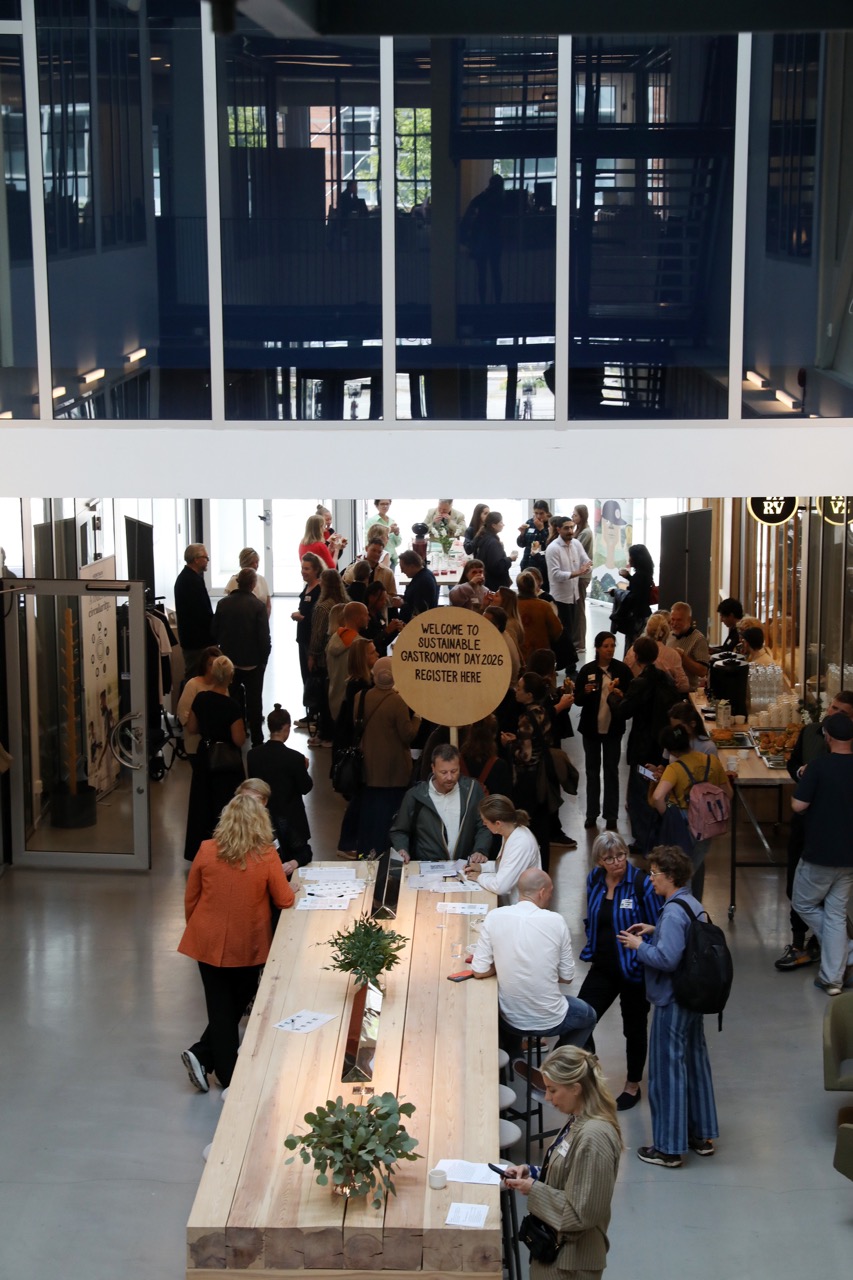
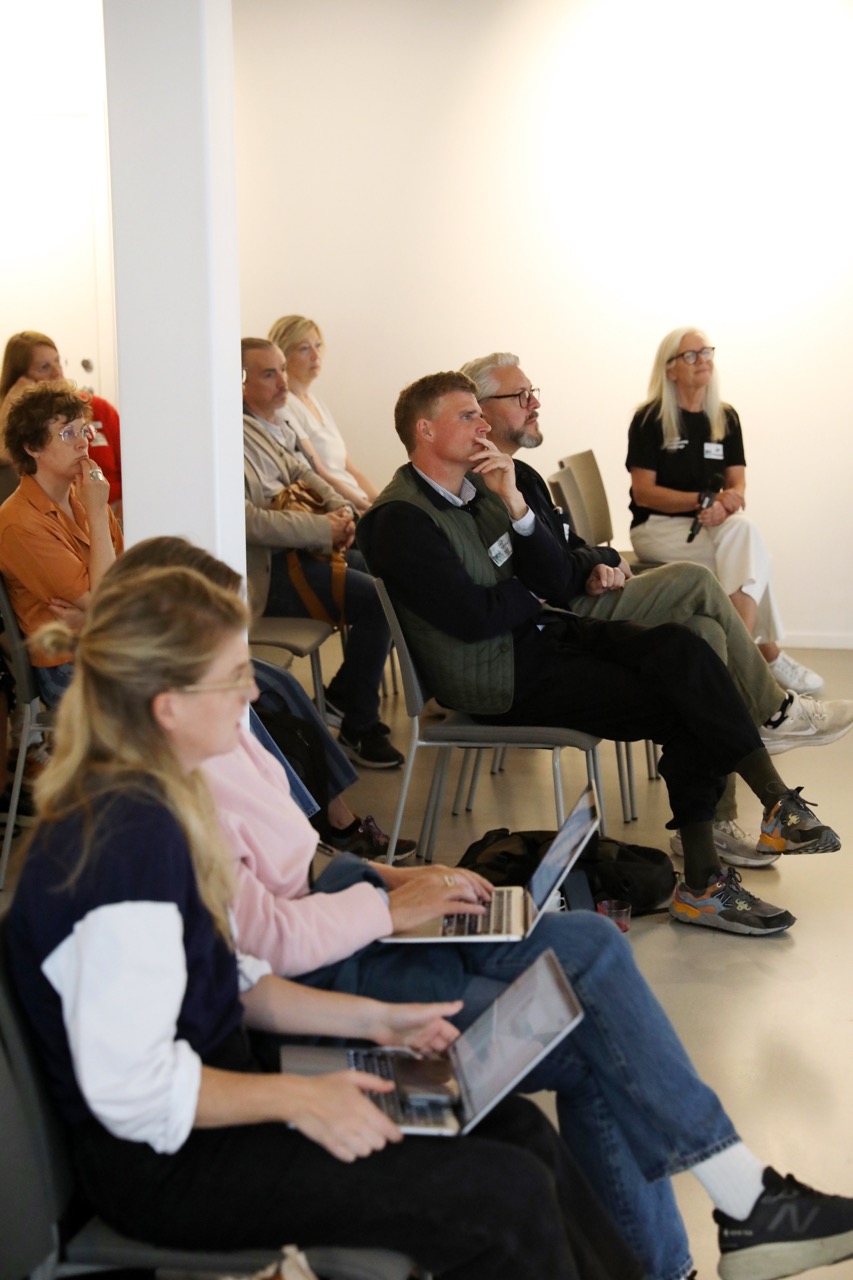
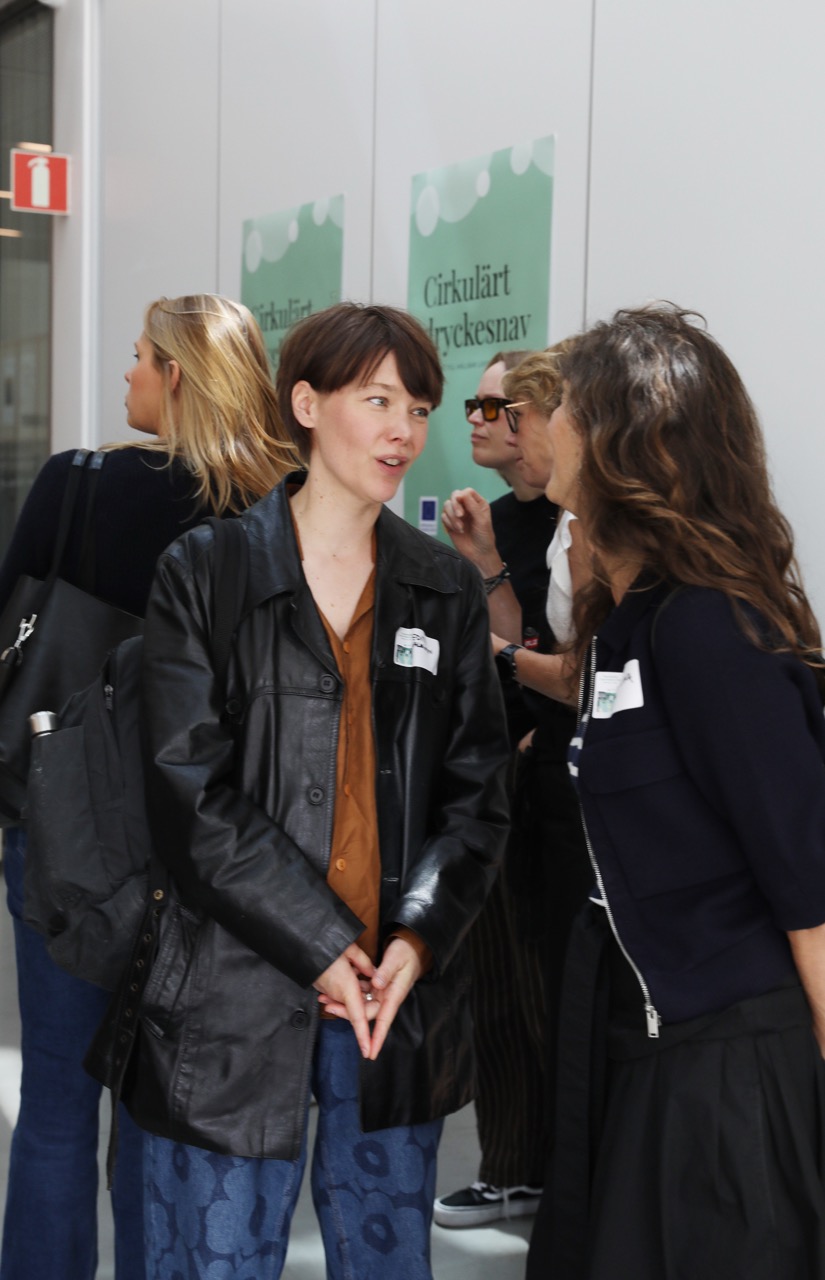
There was a packed room, a full-to-the-brim programme, and speakers covering everything from revitalising old work clothes, to a bank that cares, to a fairer tone in the restaurant trade. And then food, drink and flavour, of course – and the importance of letting the latter speak for itself. That’s how Sustainable Gastronomy Day was celebrated in Malmö on 15 June.
“Food is the very lifeblood that makes a city pulse with life.”
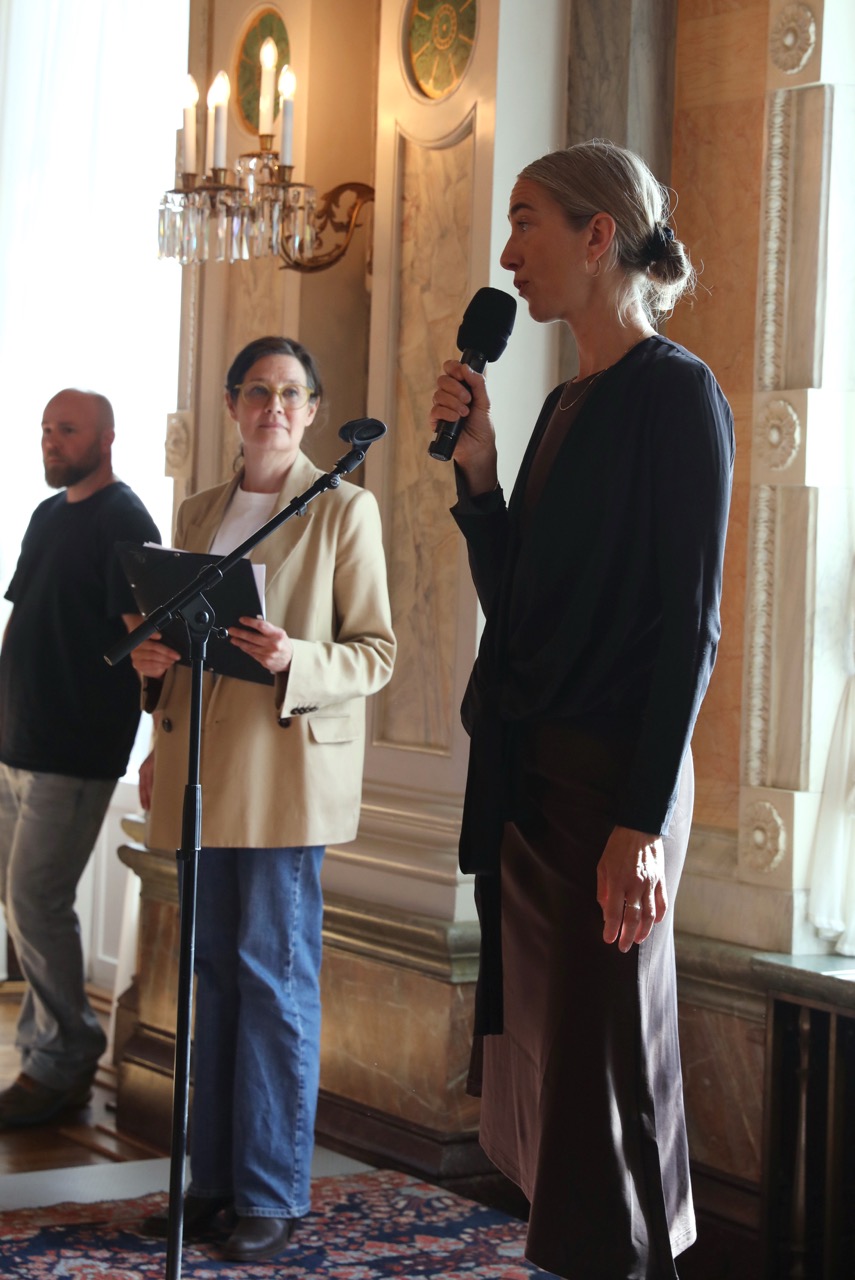
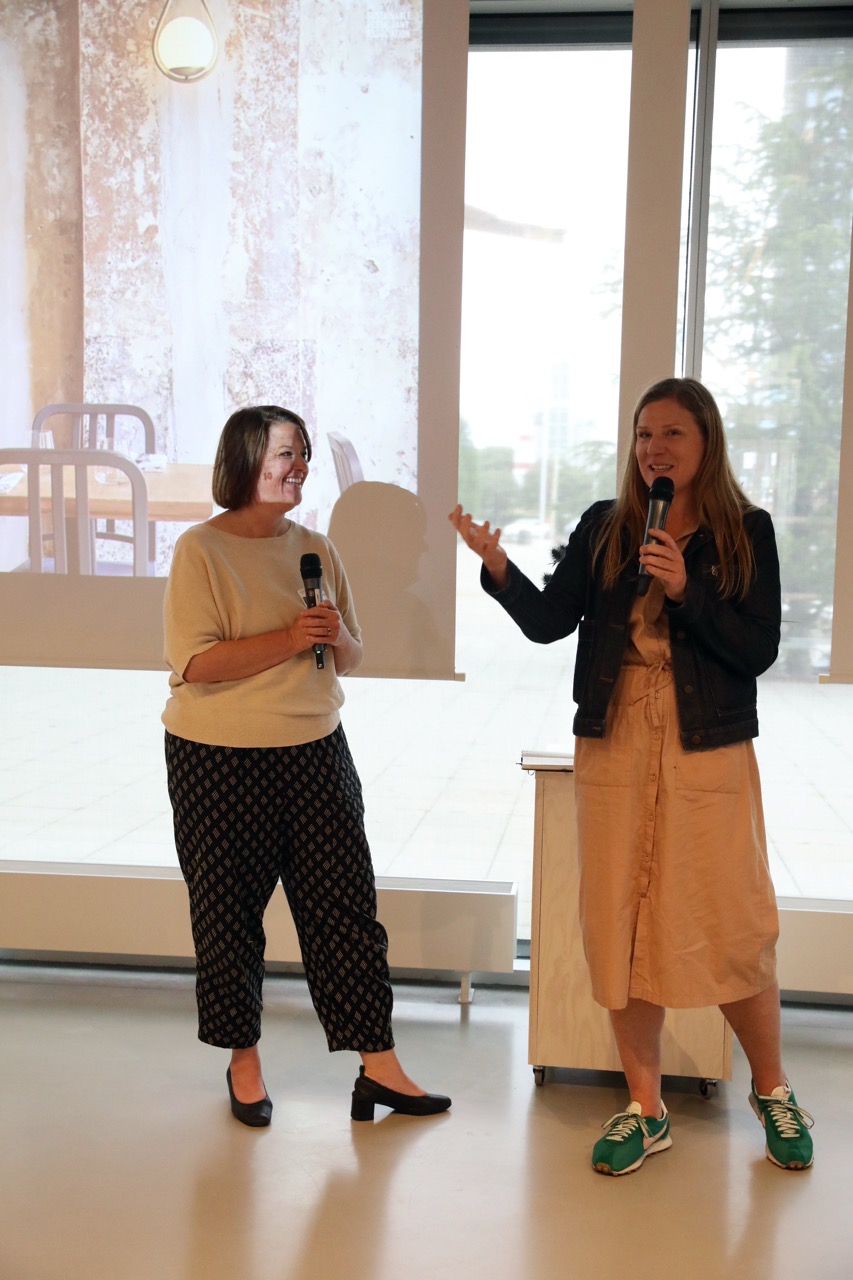
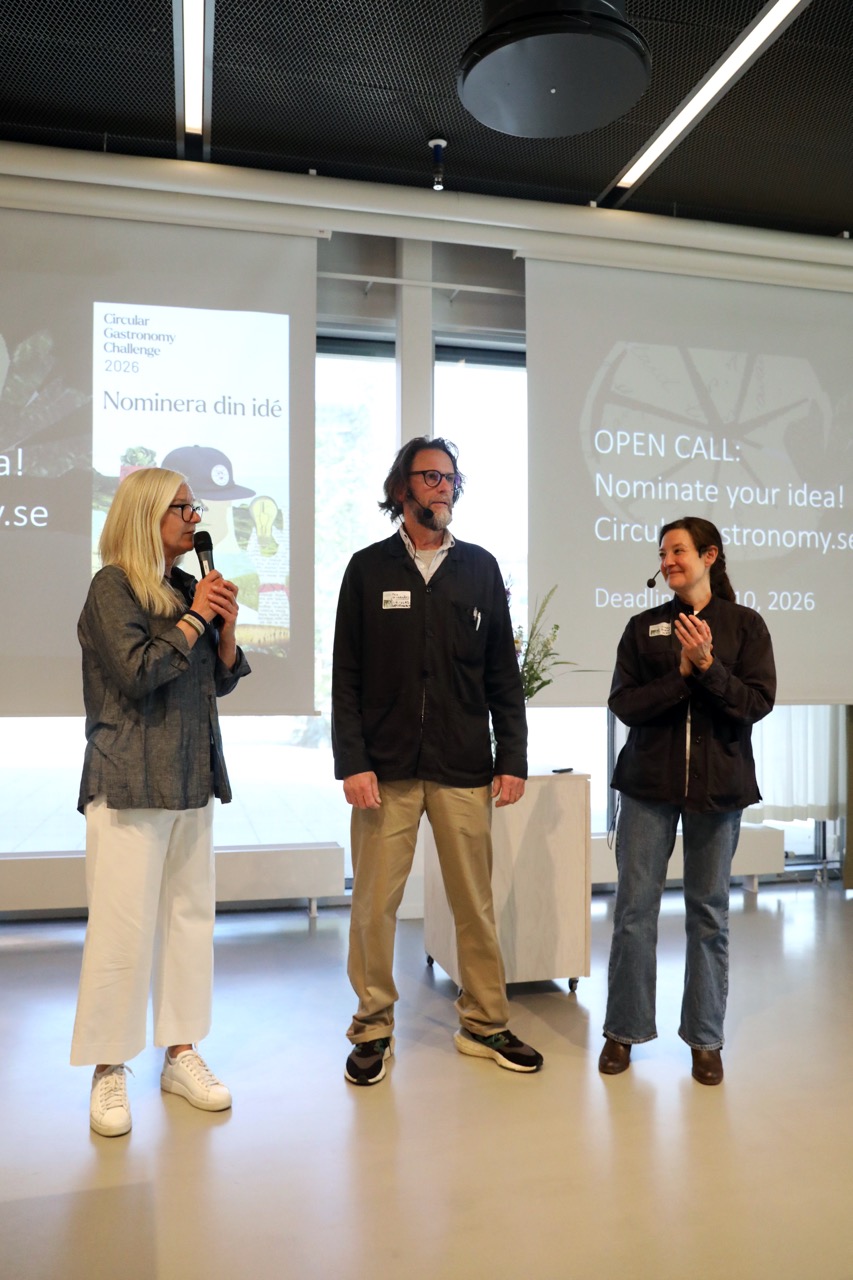
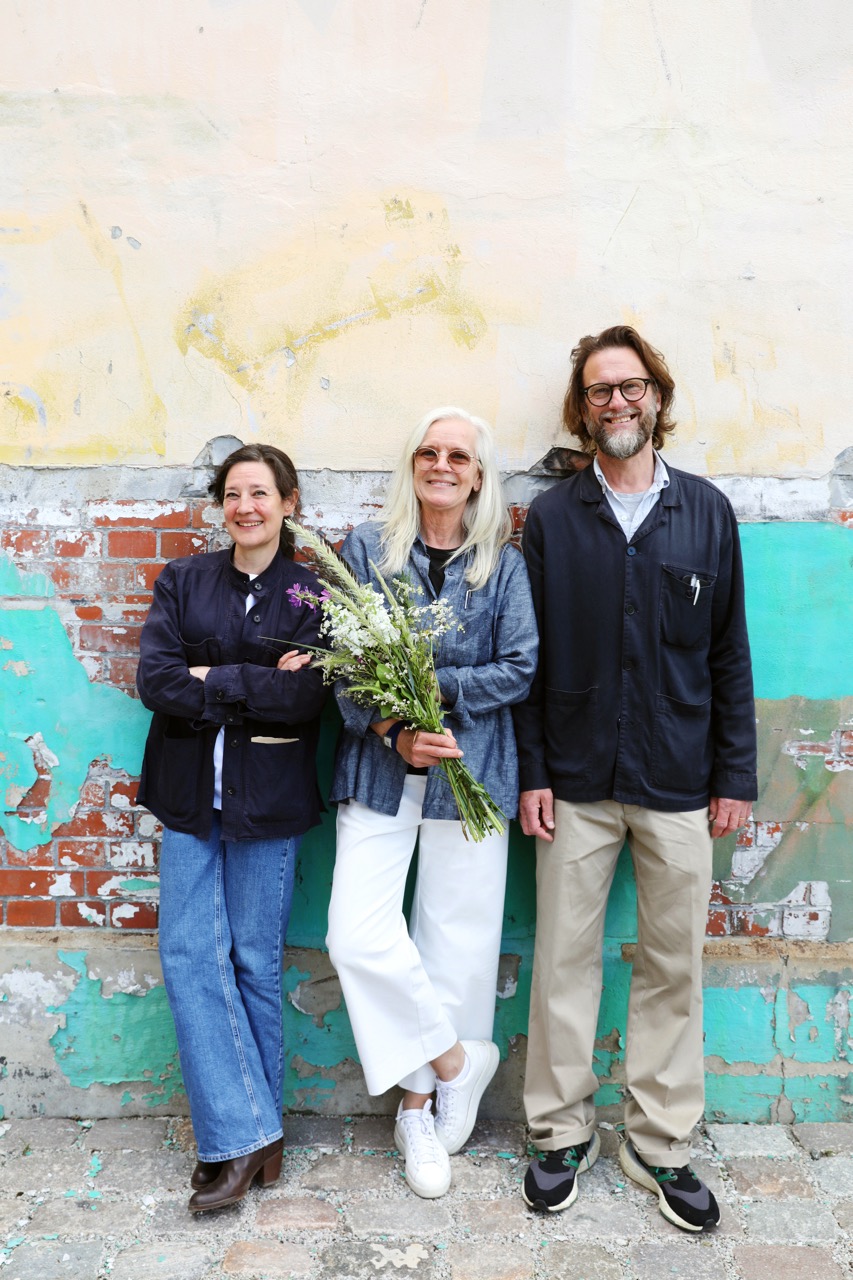
Sustainable Gastronomy Day is celebrated worldwide on 18 June. In Sweden, the date has for a few years now been marked with a substantial seminar organised by Circular Gastronomy. The year before last it was held in Gothenburg, and last year in Malmö, where it was co-organised with the Malmö Food Council – just as this year, when, to avoid clashing with Midsummer celebrations, it was moved earlier to 15 June. Hosts from Circular Gastronomy were Ami Hovstadius and Per Styregård, and from the Malmö Food Council, Linda Dahl, who opened the day with the quote above.
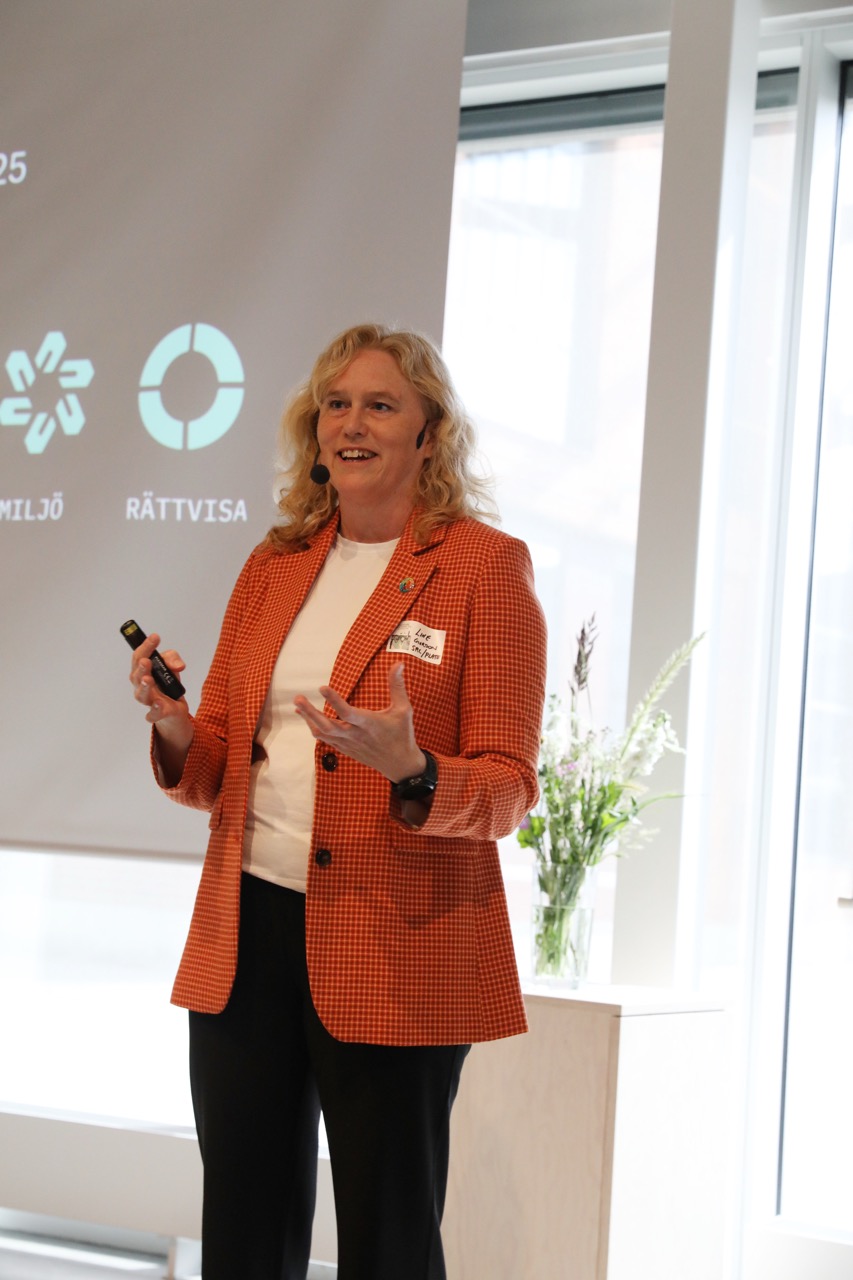
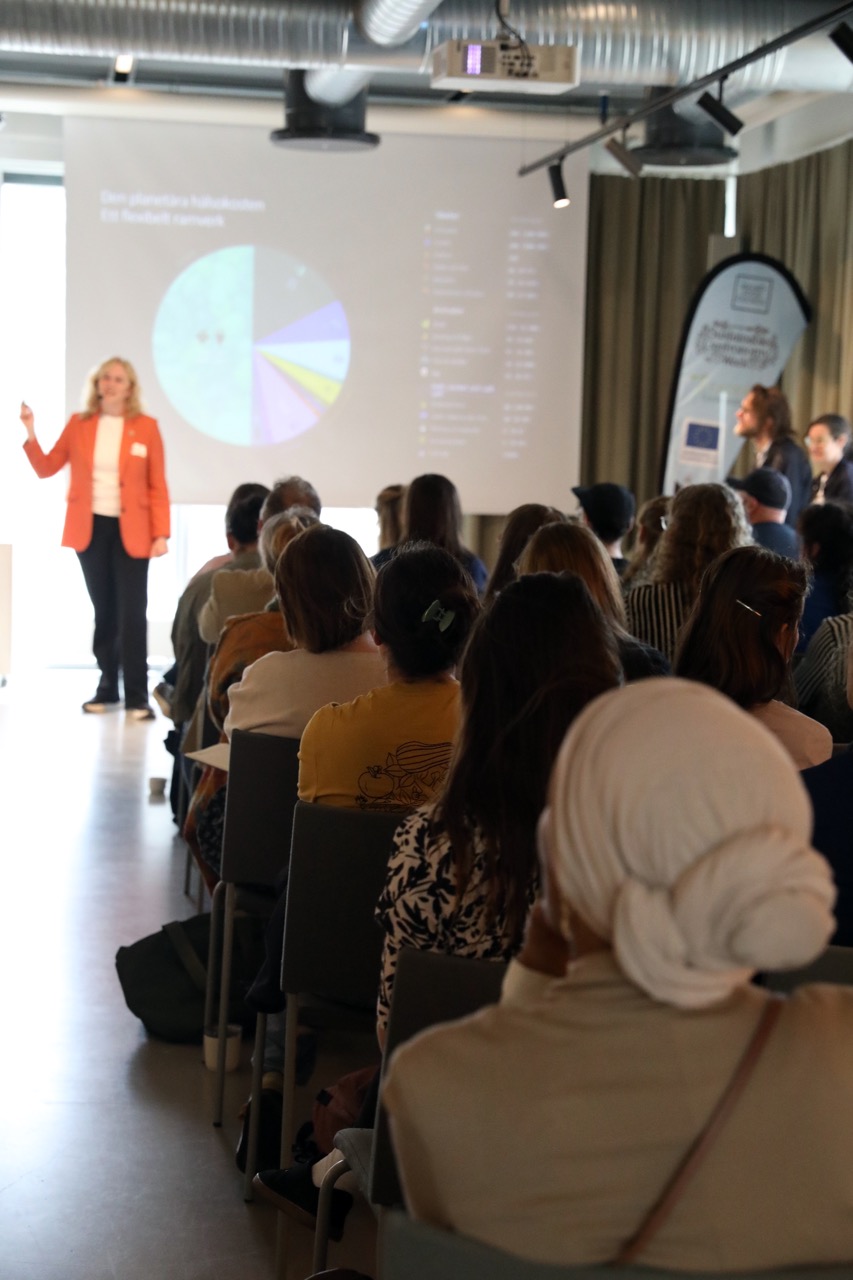
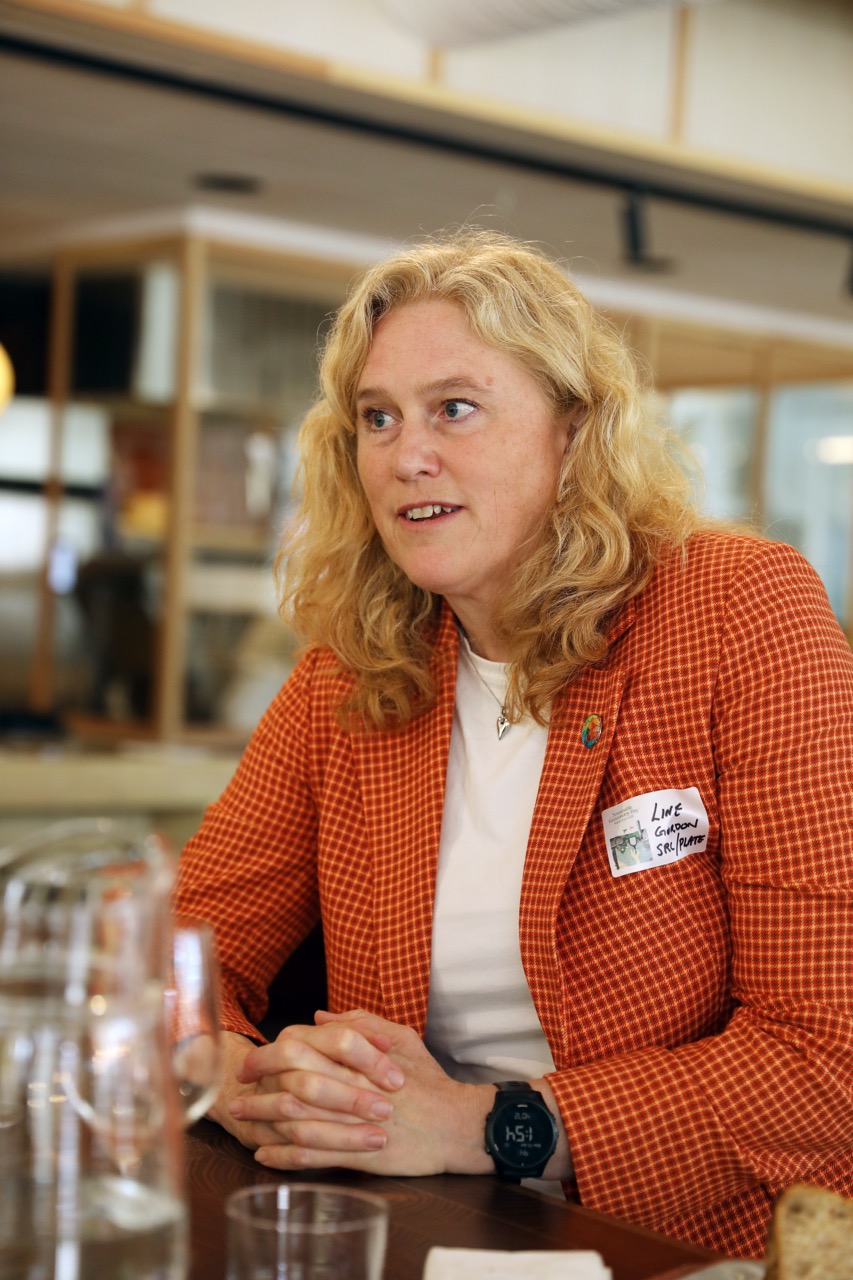
The list of speakers was long, and while in previous years the focus had been mostly on sustainability in terms of what is cooked and served at restaurants, cafés and bars, this year’s programme took a broader approach. It began with an update on the state of the world from Line Gordon of the Stockholm Resilience Centre, who, among many other things, has been a driving force behind the EAT-Lancet Commission, which last year published a report focusing particularly on fairness in the transition toward the so-called planetary health diet. Much attention recently has gone into exactly what and how many grams of various foods one may or should eat, but Line Gordon stressed the importance of doing one’s best, not letting the perfect become the enemy of the good, and that food, to succeed, must above all taste good. Restaurateurs and chefs have a very important role to play here as guides.
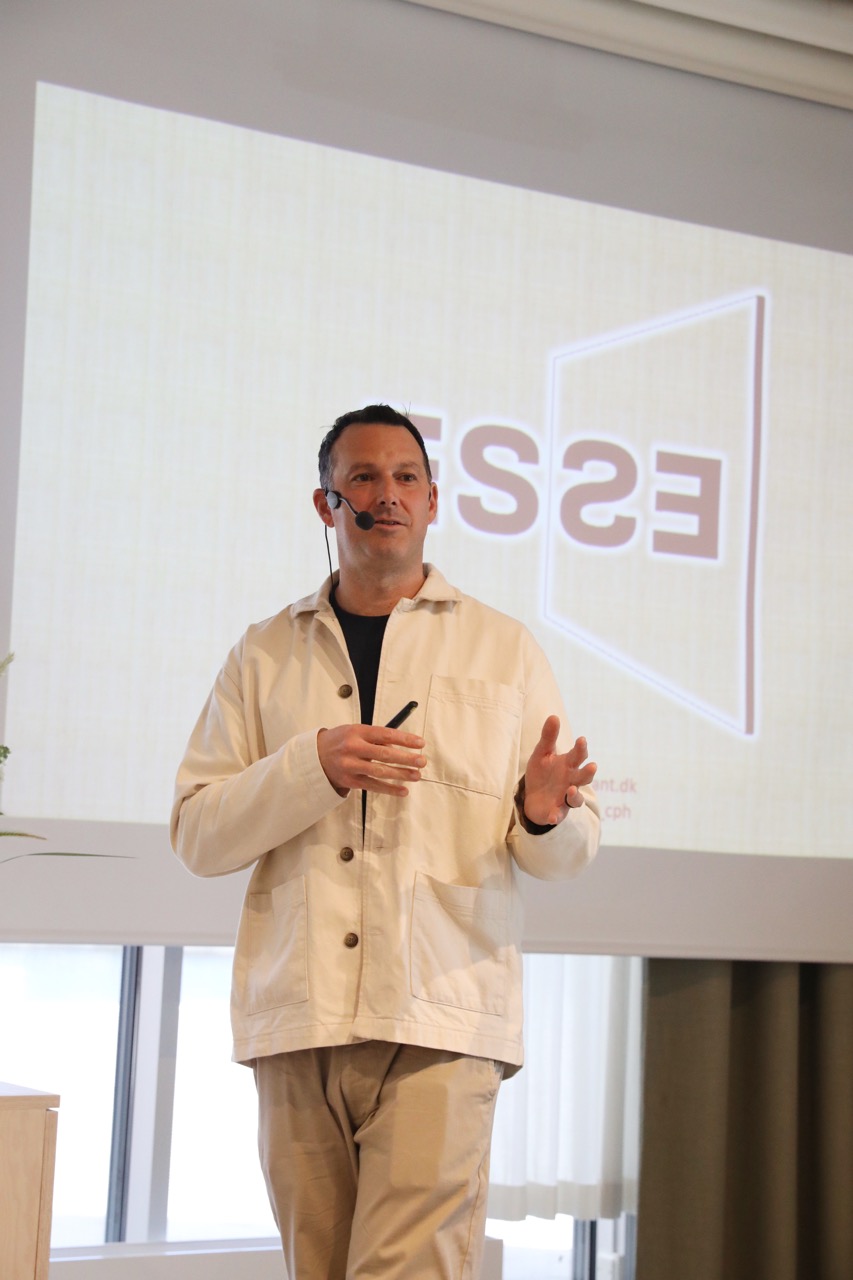
The day’s very last speaker, American Matt Orlando – now one of Denmark’s most sustainably-minded chefs and founder of the Michelin-starred restaurant ESSE in Copenhagen – touched on the same theme. Under the title Taste More, Talk Less, he spoke about how explanations of how dishes are made, and from what, often get in the way of the guest’s culinary experience. That floor staff need to know everything about what they’re serving is a given, but that doesn’t necessarily mean it has to be volunteered unprompted. In the end, it’s the taste experience that can lead us onto new and more sustainable paths, Orlando argued.
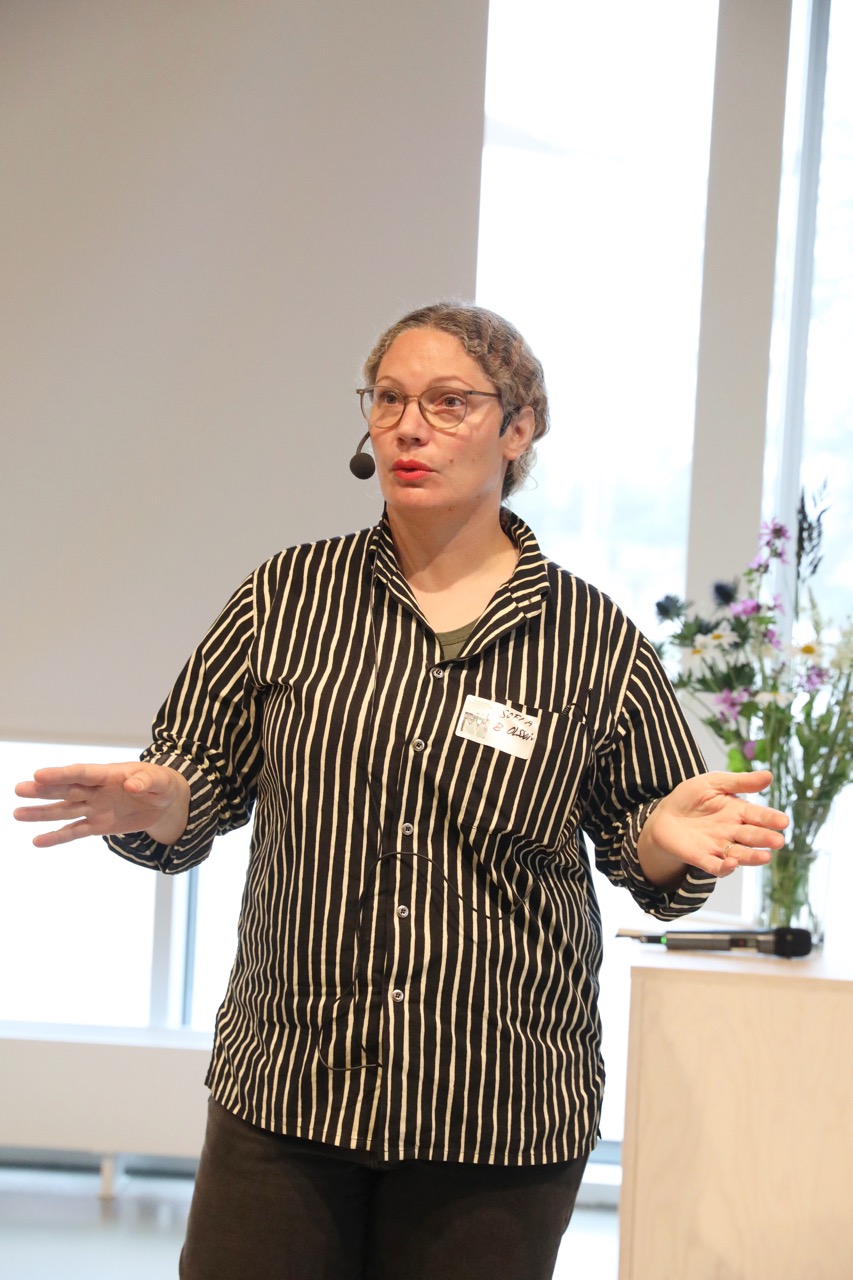
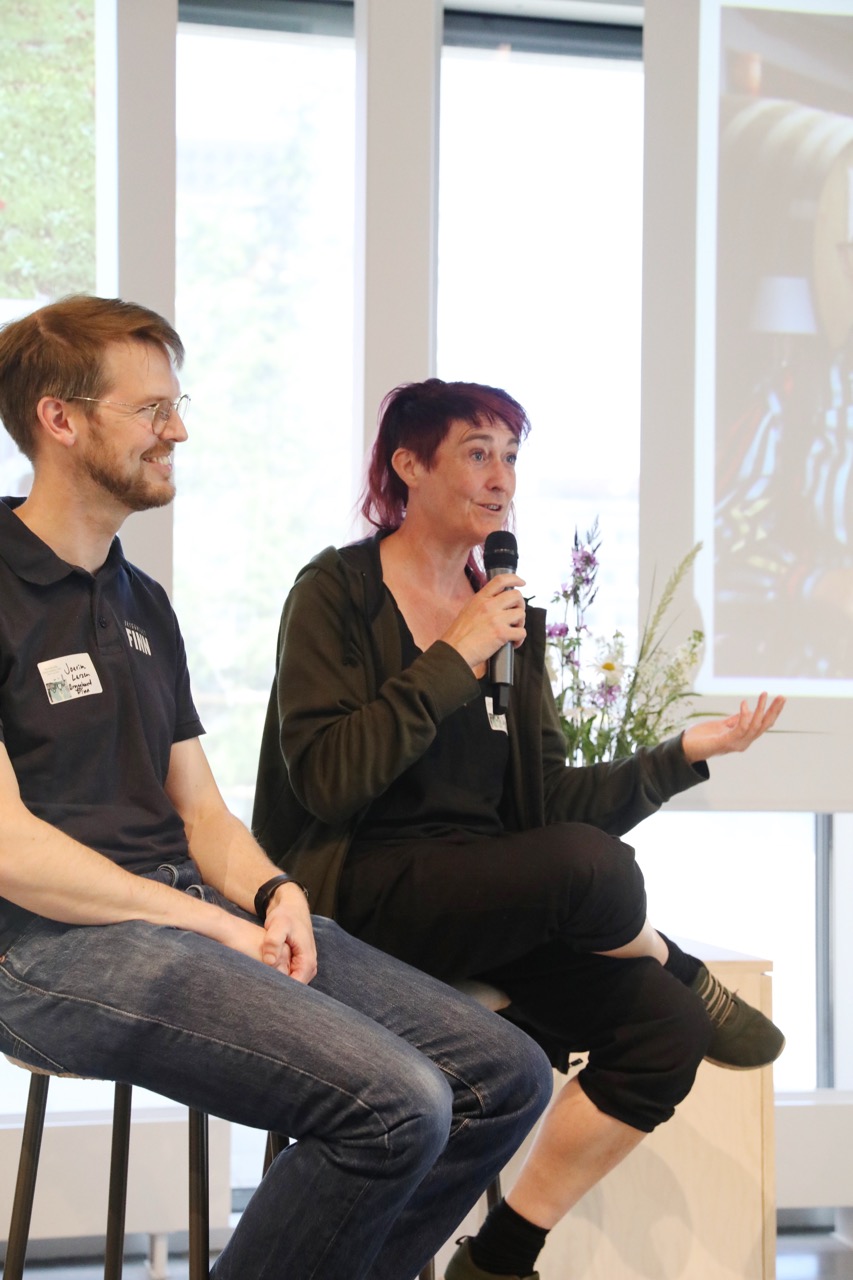
Language was, in a sense, also Sofia B Olsson’s angle. Besides running the restaurant Vrå in Gothenburg, she is one of the founders of the non-profit association Framtidens Krogkultur (Future Restaurant Culture), which works to make the restaurant and hotel industry an attractive, inclusive, respectful and positive sector that more people not only find their way into, but also stay in. She argues that so much more gets done – and with far greater joy – if parts of the workforce don’t constantly have to fend off the harassment and sexism that, unfortunately, are still an everyday reality in many kitchens. Neither physical abuse nor a coarse culture is something the guest sees traces of on their beautifully plated dish, which makes it all the more important that these issues are openly discussed among staff. Restaurant owners, head chefs and bar managers have a responsibility to act as role models here.
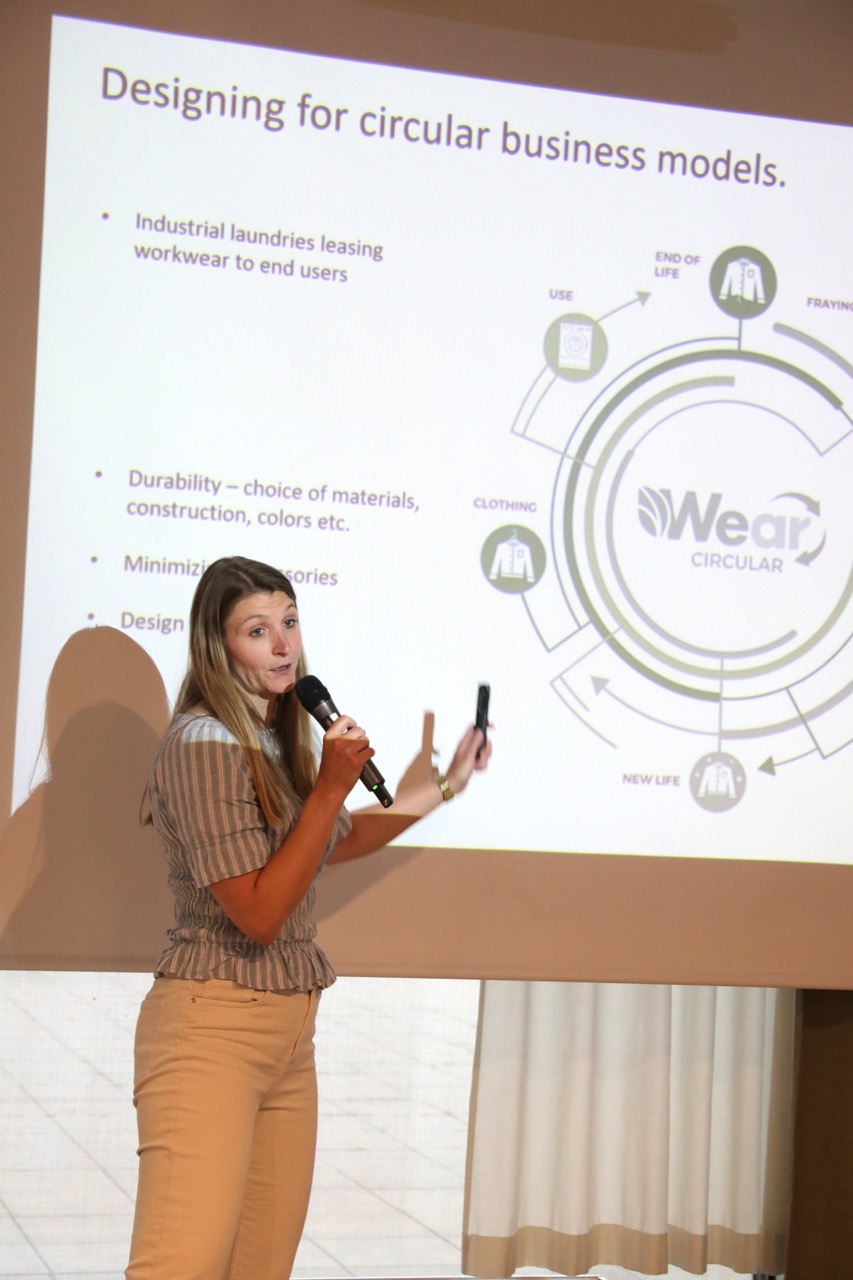
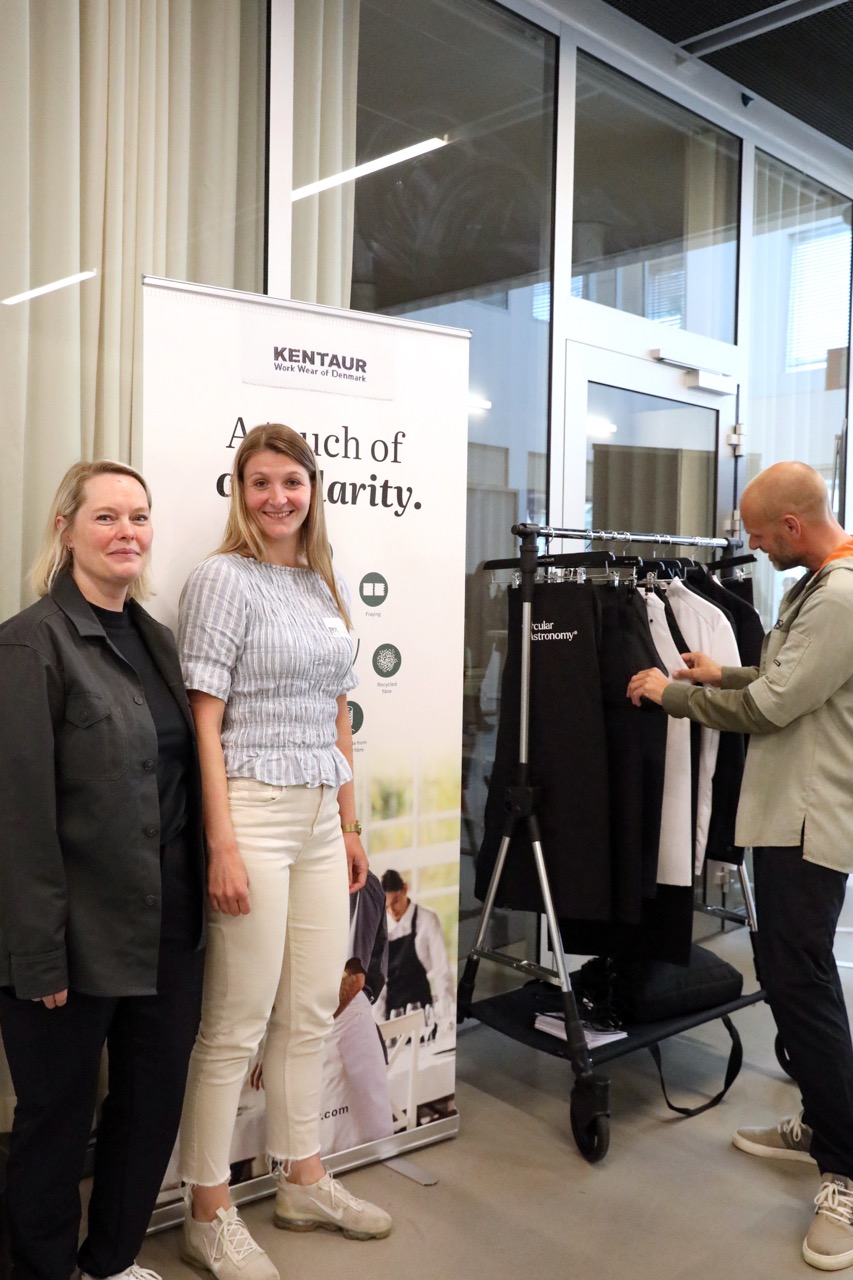
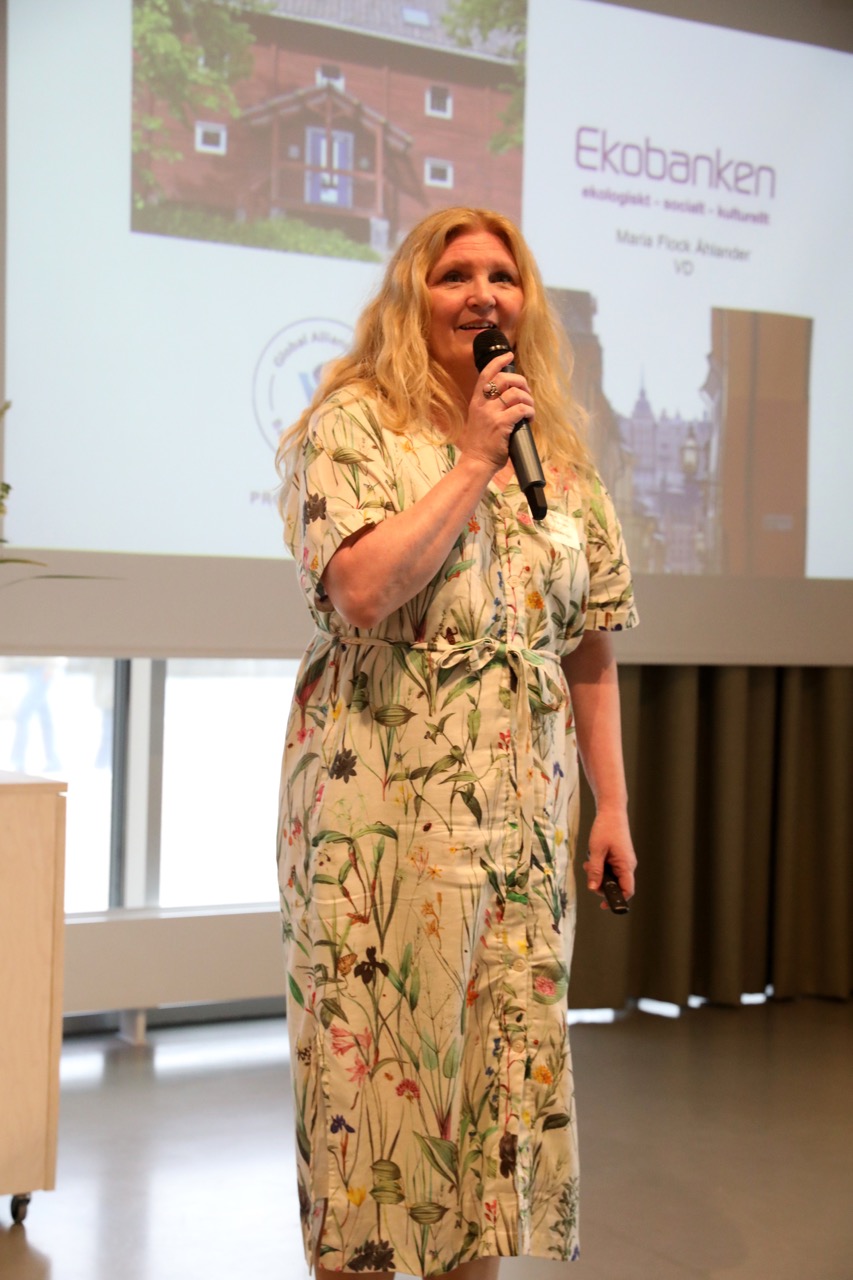
Two other topics that also went beyond the plate were presented by Line Nygaard Jensen, who described how her Danish company Kentaur turns worn-out workwear into spun thread for sewing new garments, and Maria Flock Åhlander, CEO of Ekobanken, which provides capital for the sustainable transition and helps, through long-term relationships with its customers, turn good ideas into reality – good, that is, for society and the planet as well – while offering a way to keep track of what the money is actually doing at the bank.
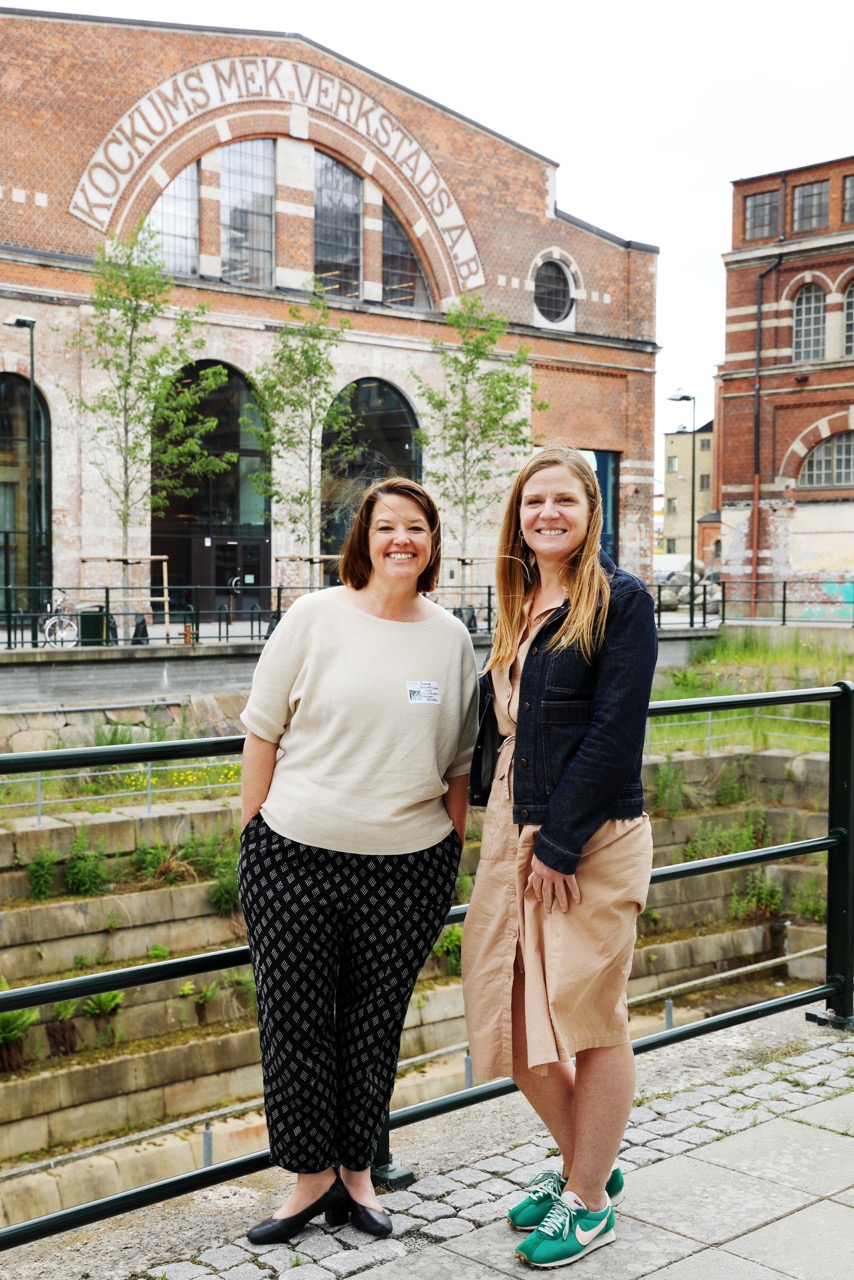
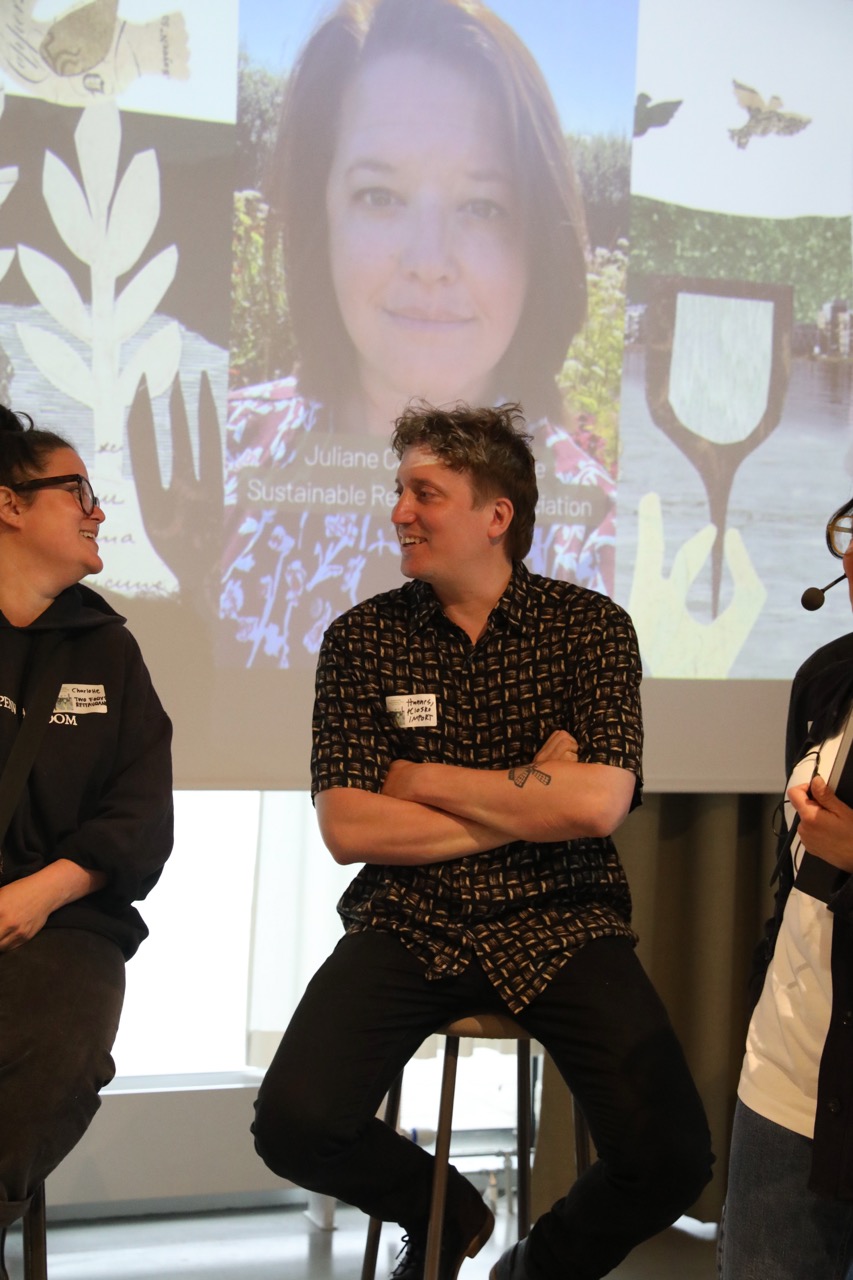
Travelling from further afield were Juliane Caillouette-Noble and Chantelle Nicholson from London. Nicholson runs the circular-focused restaurant Apricity in central London. Caillouette-Noble, meanwhile, is CEO of The Sustainable Restaurant Association (SRA), an organisation founded in the UK in 2009 with the aim of making it easier for restaurateurs to understand what sustainability means in practice and to help their guests make more conscious choices. The SRA today encompasses more than 15,000 professional kitchens in over 40 countries, and this spring began a partnership with Circular Gastronomy as its representative for the Nordic region – all aimed at increasing interest in The Food Made Good Standard, the world’s first and largest sustainability certification focused on the restaurant world.
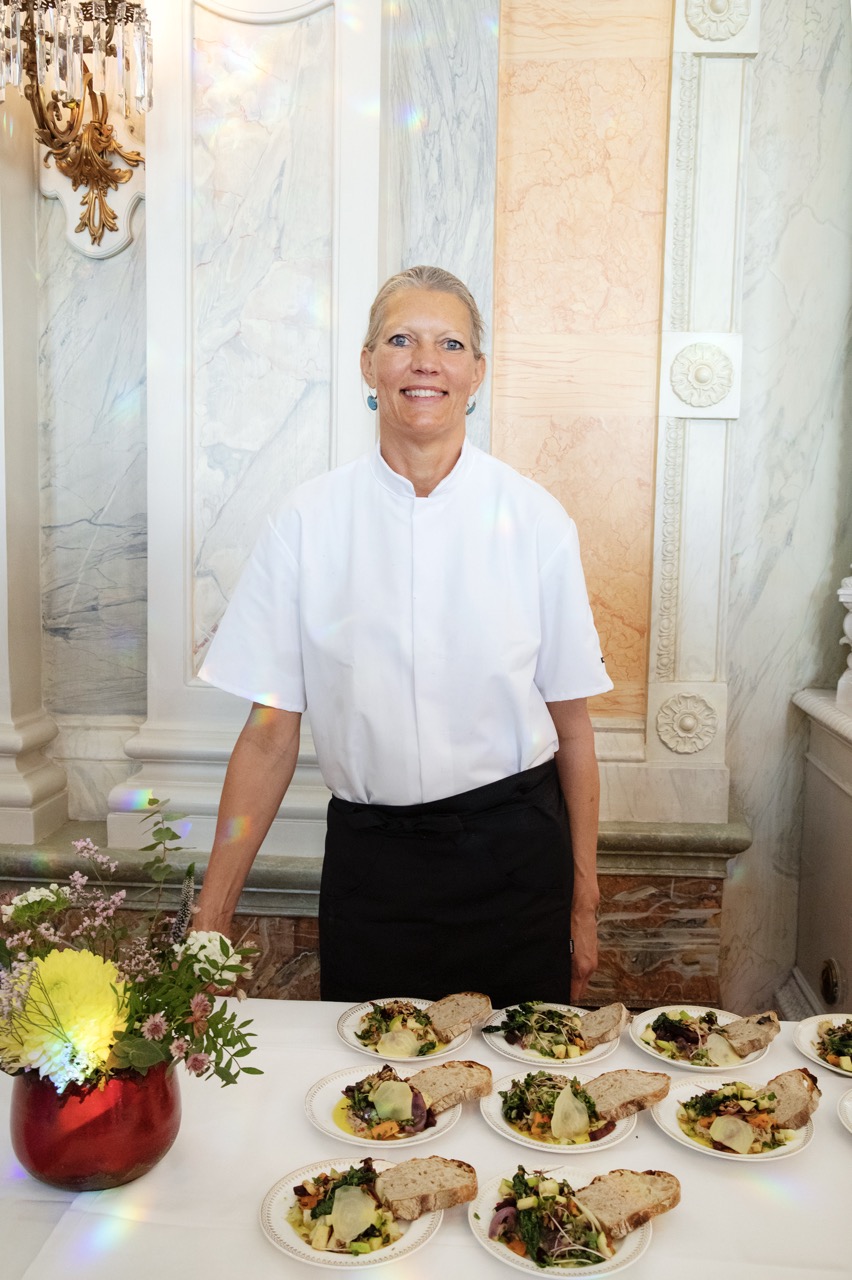
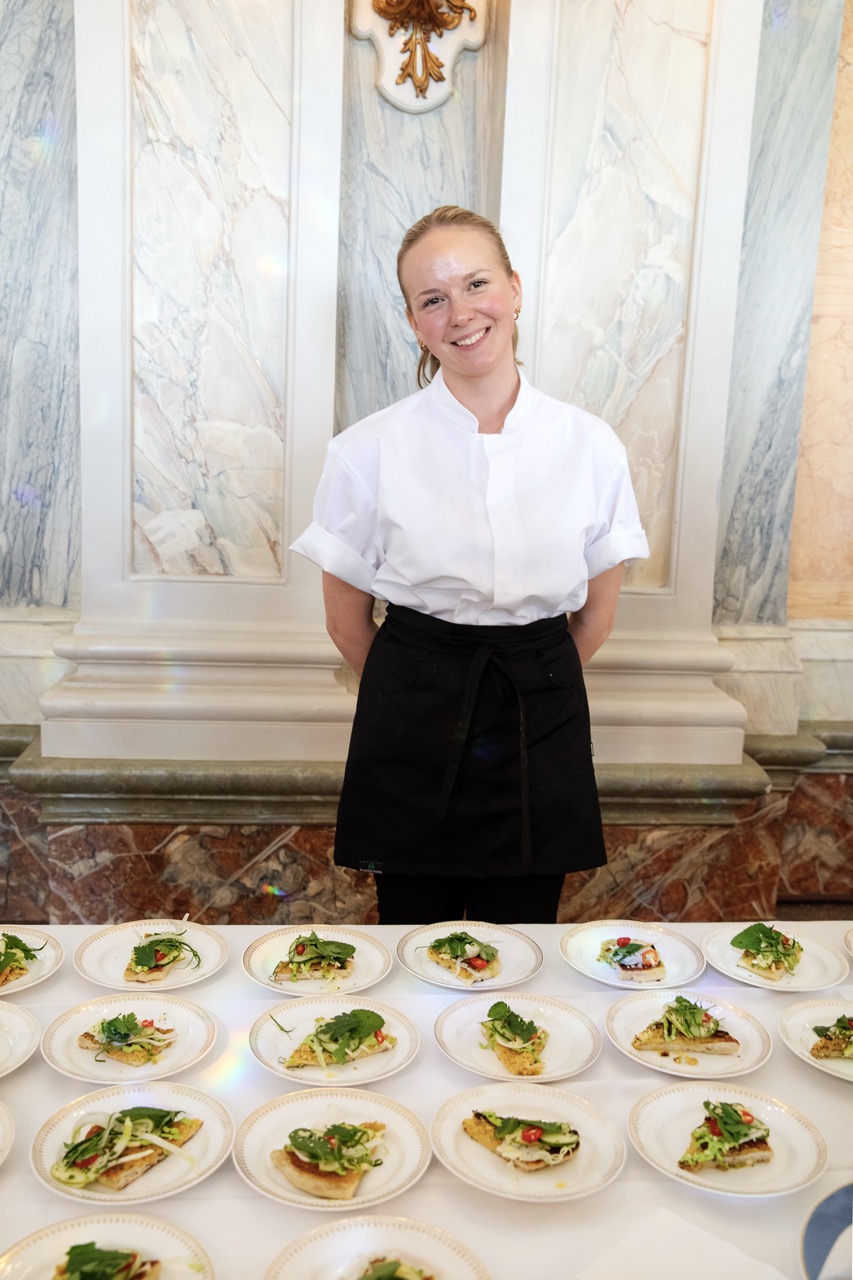
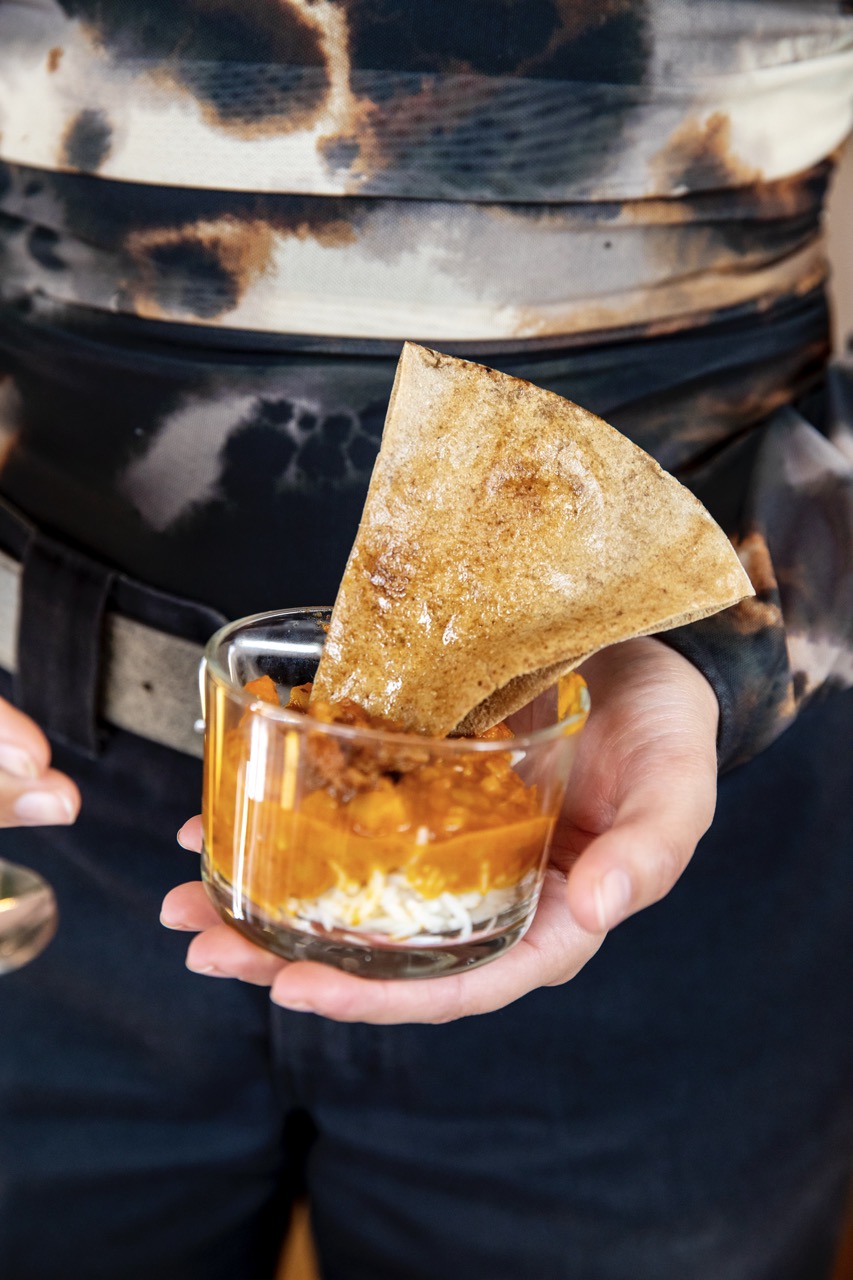
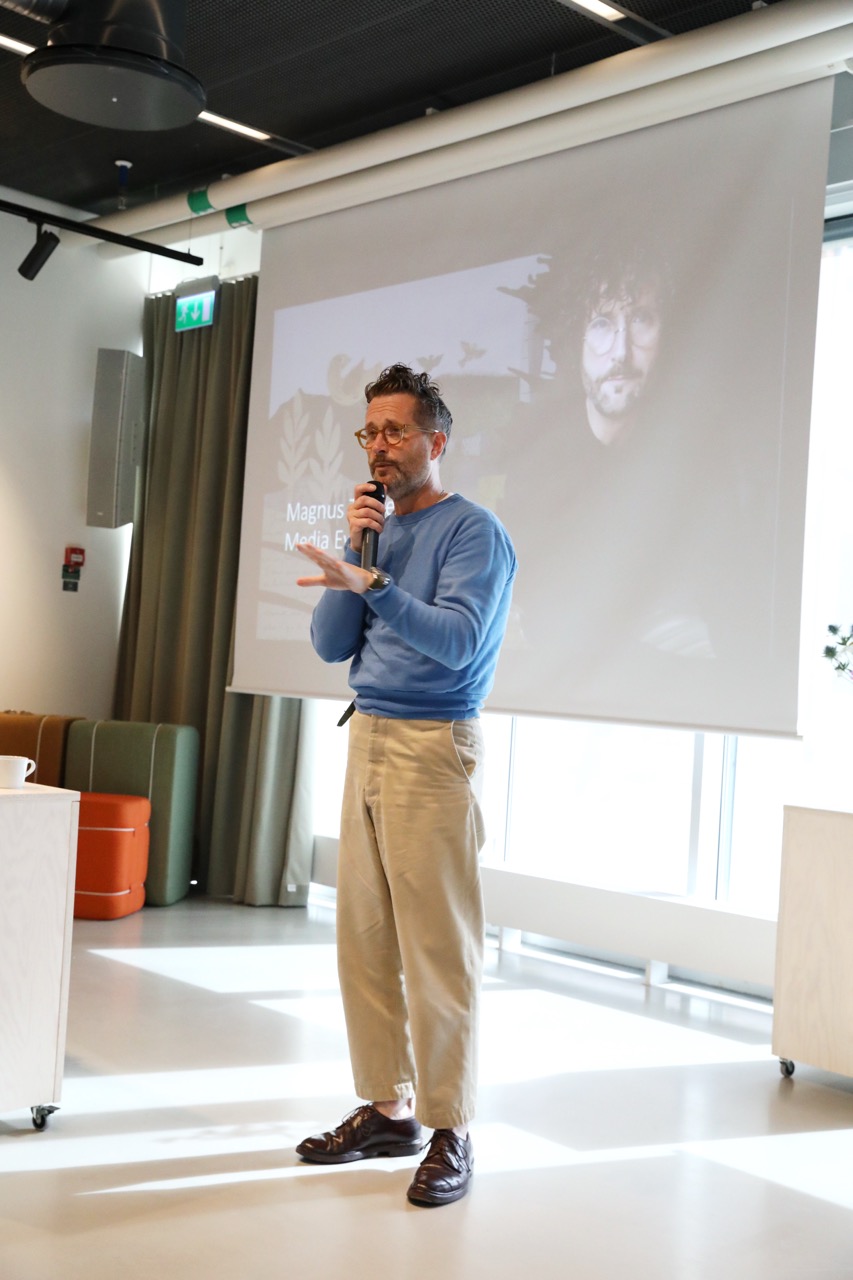
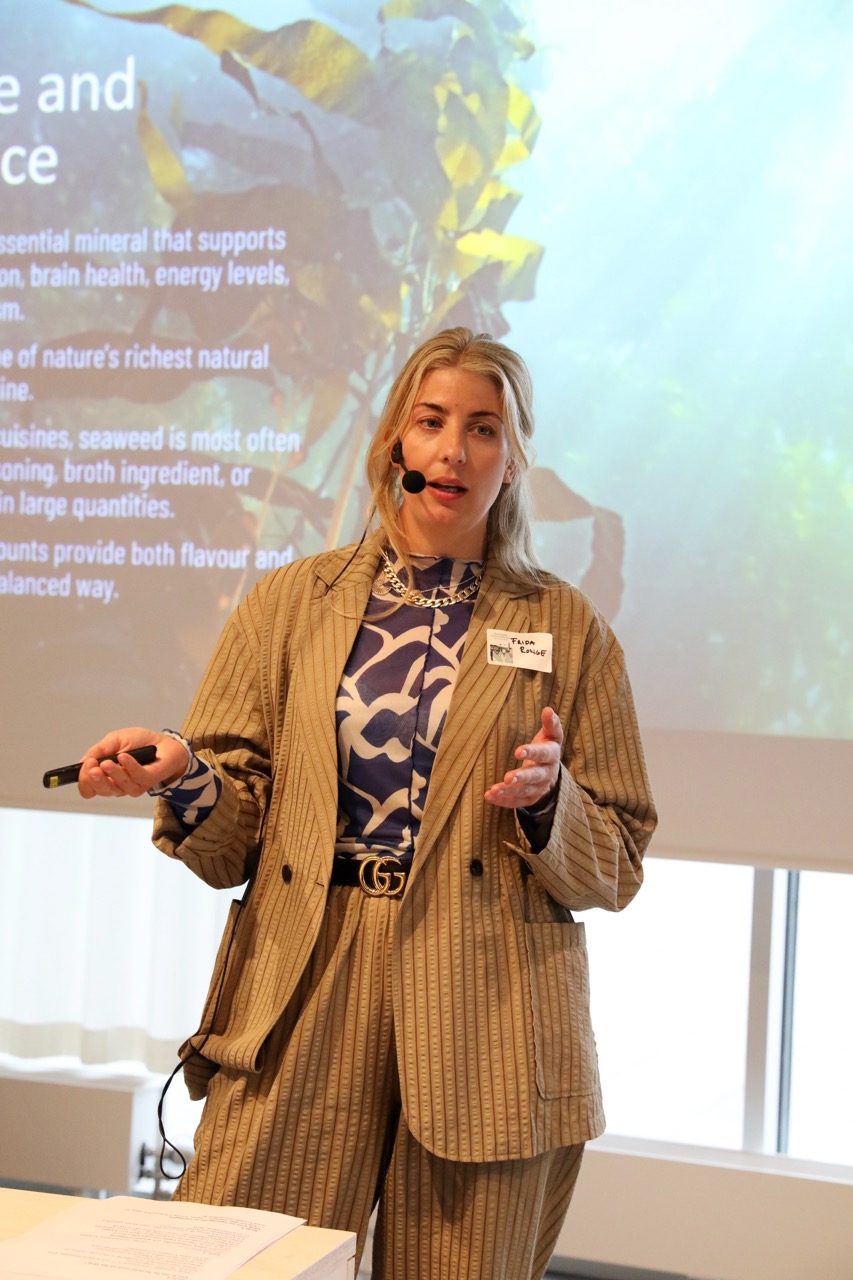
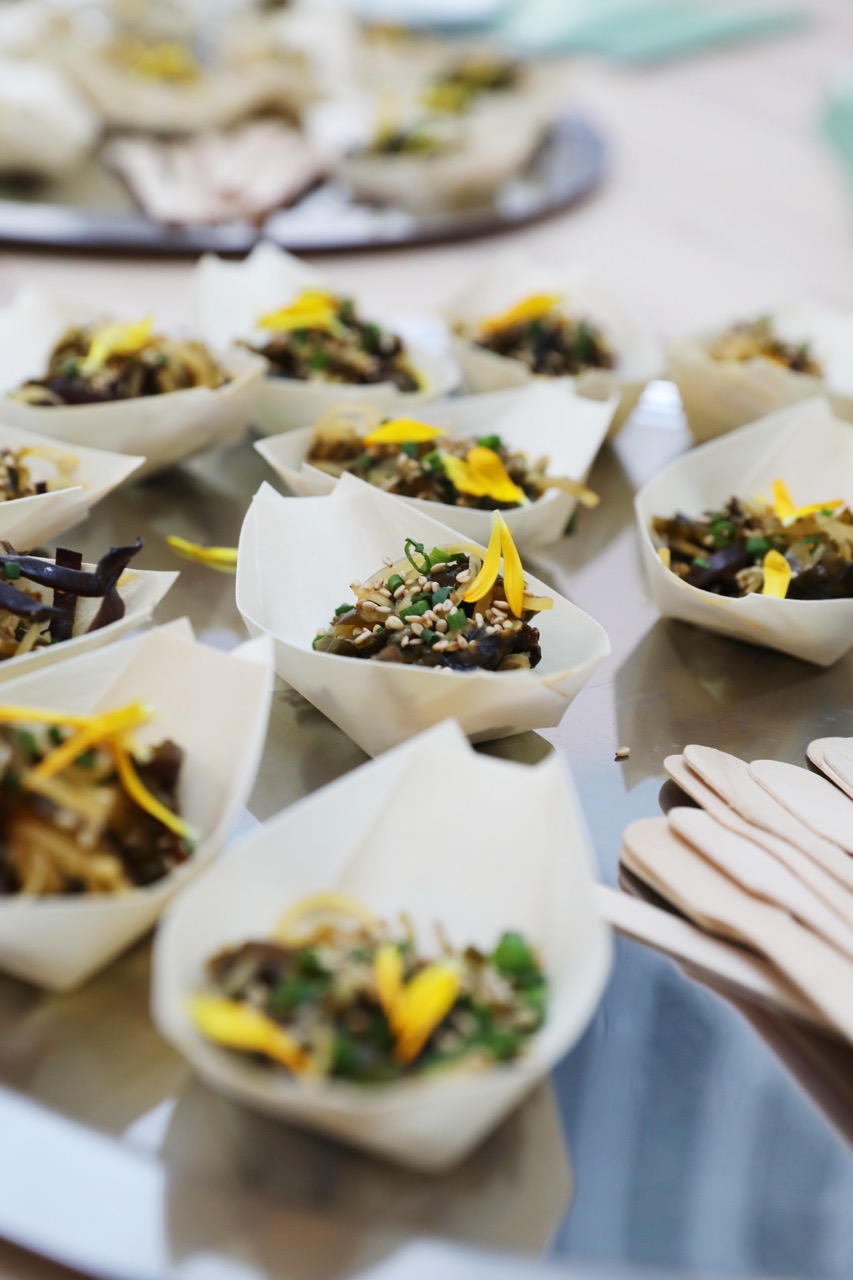
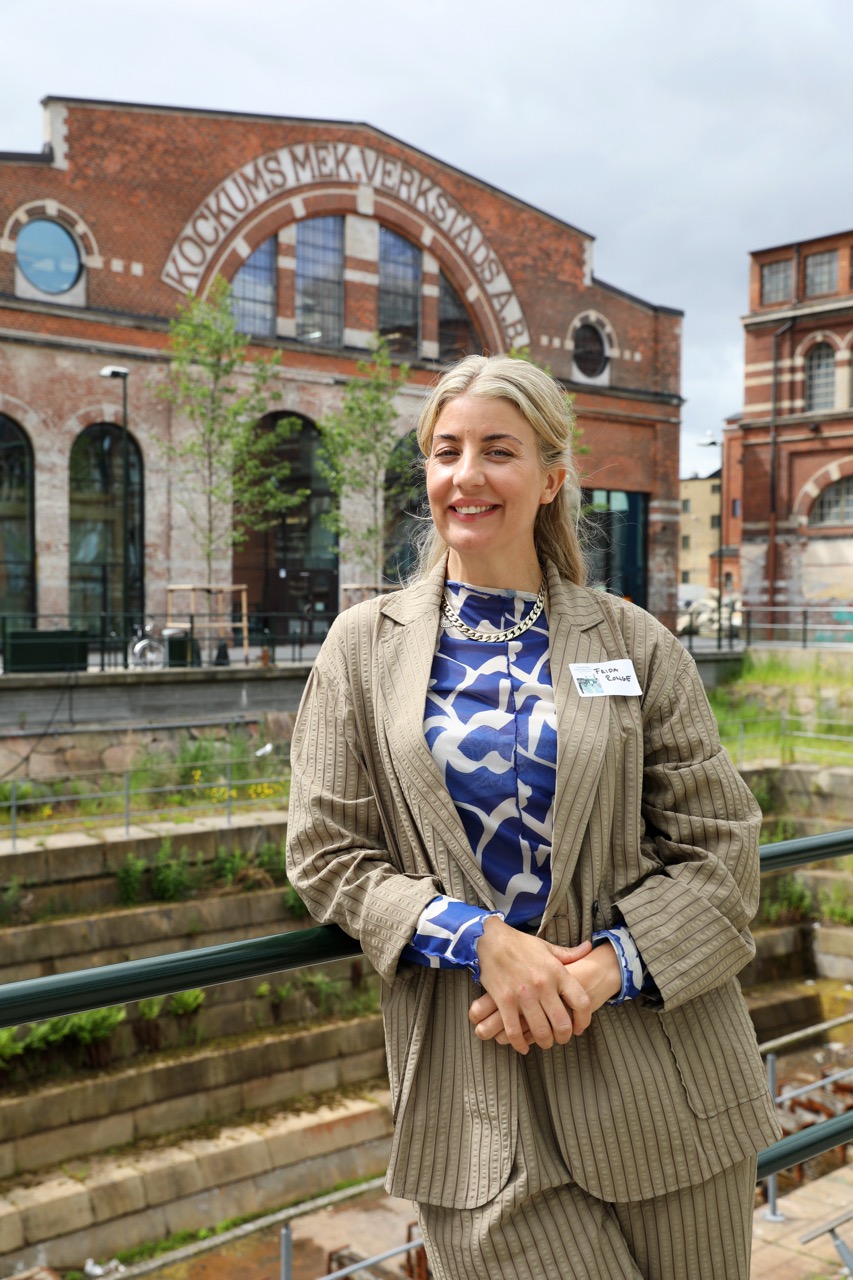
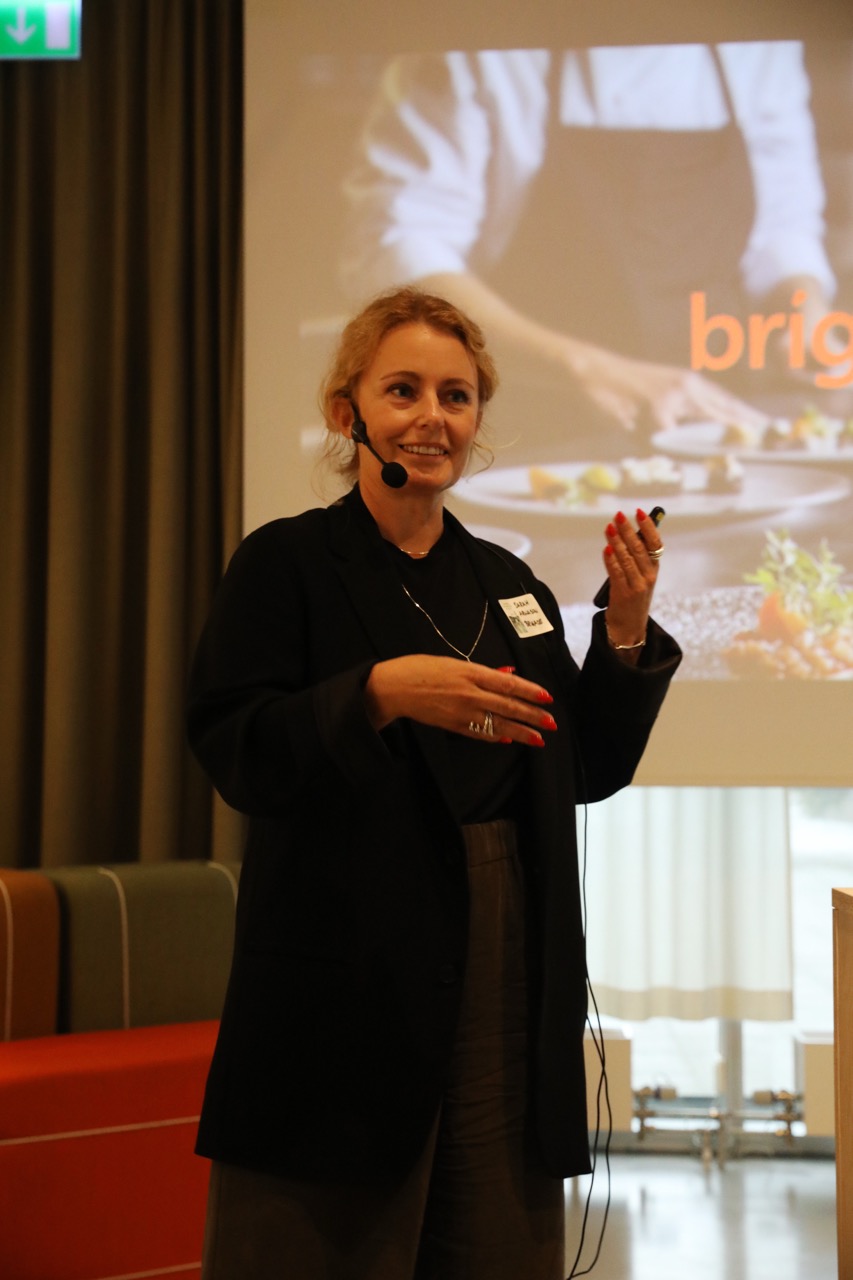
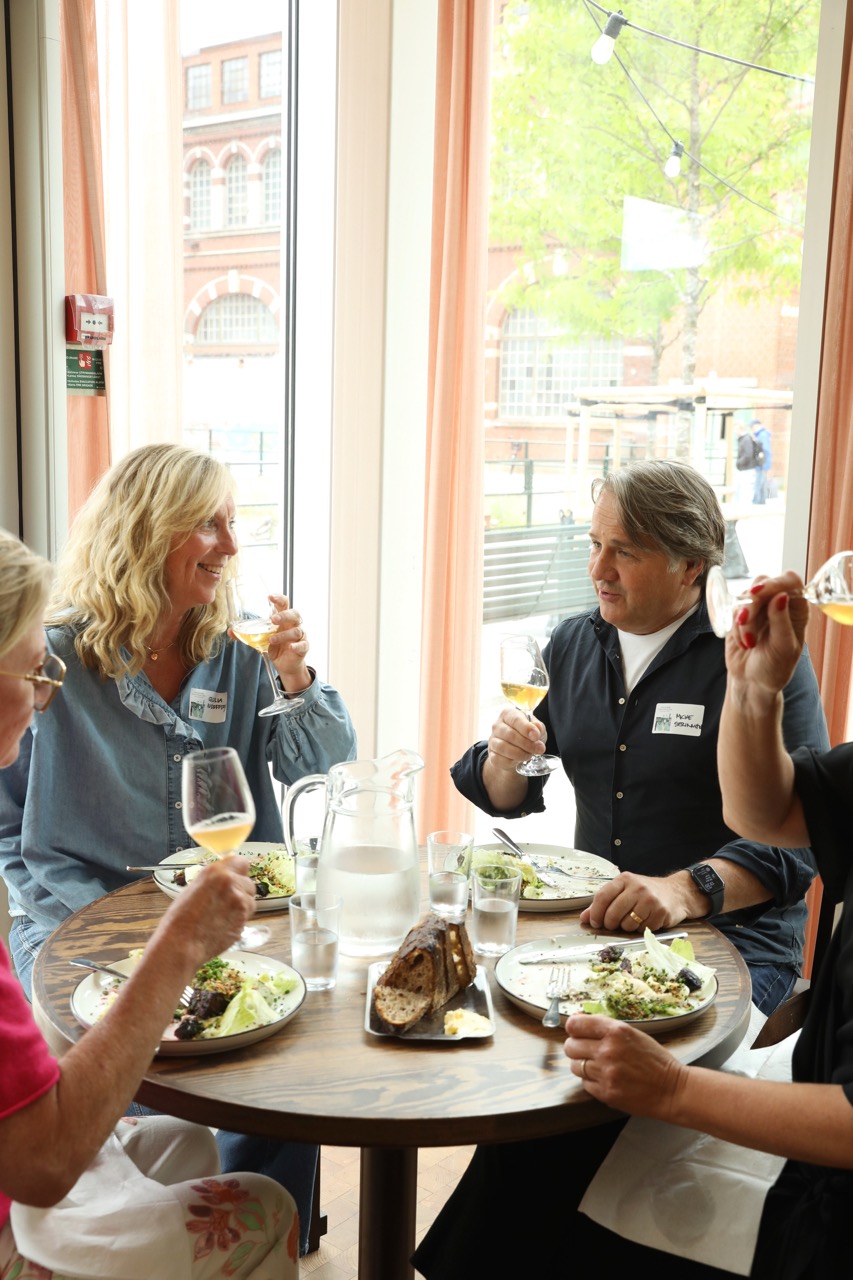
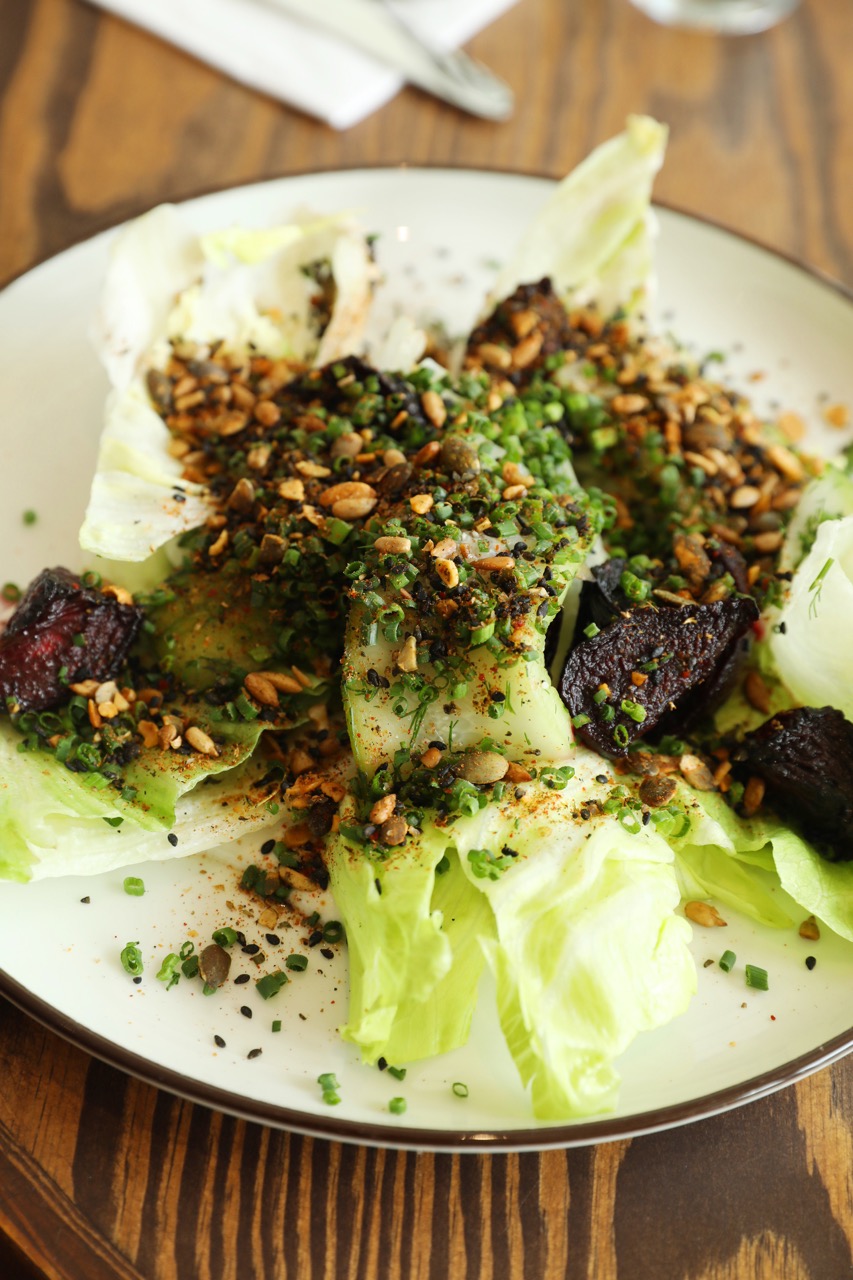
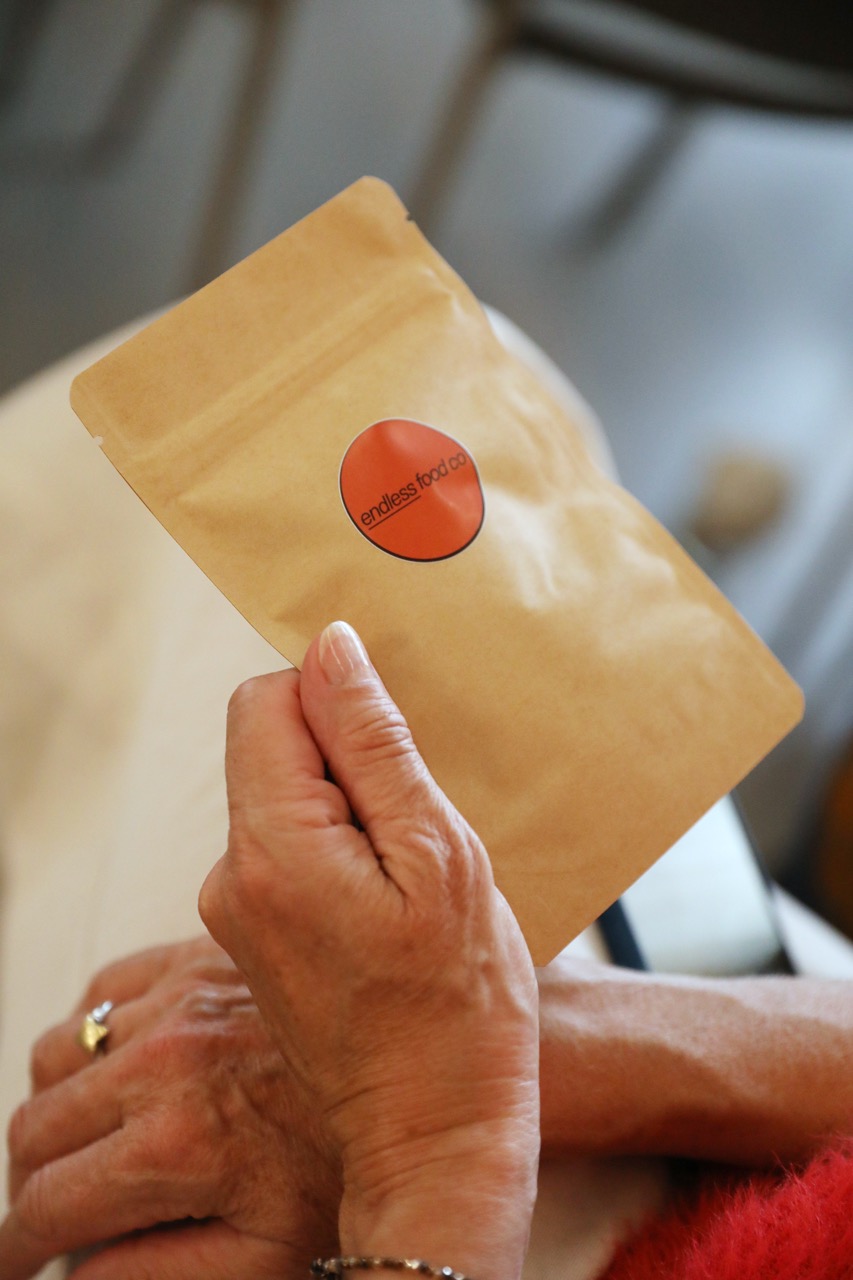
Besides lunch at Benjamin van Stellingwerff’s Varv in Media Evolution’s premises in Dockan, where the whole event took place, innovative tasting samples were also offered from food prototypes, ranging from waffles made half from flour and half from spent grain, to strawberry burgers. As one of the co-owners of Kobb, a winner of the Circular Gastronomy Challenge 2025, chef Frida Ronge also served one of their seaweed salads. Meanwhile, Sarah Holmquist Arnason talked about Brigade, another of last year’s winning ideas – a digital platform that simplifies organising everything from knowledge-sharing and purchasing to reducing waste and assigning staff tasks at the restaurant.
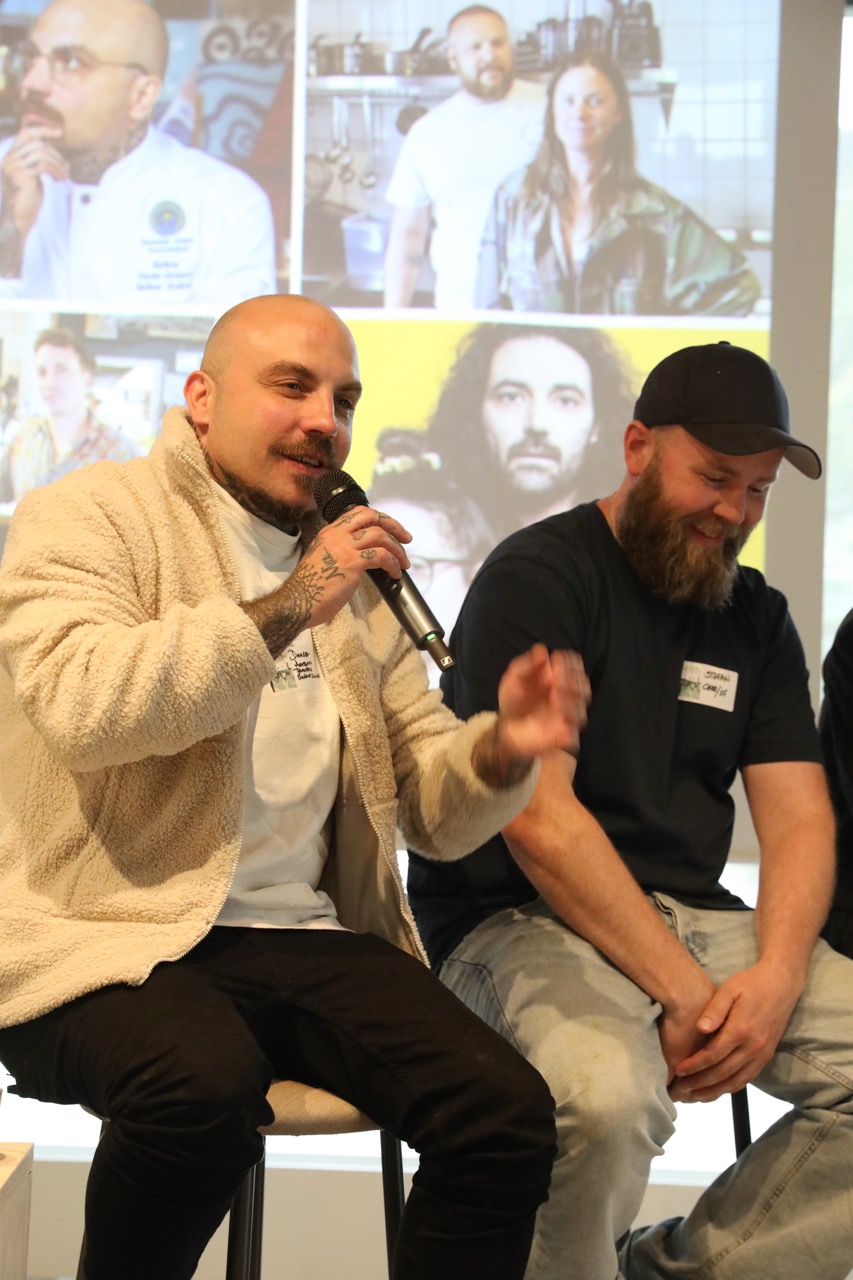
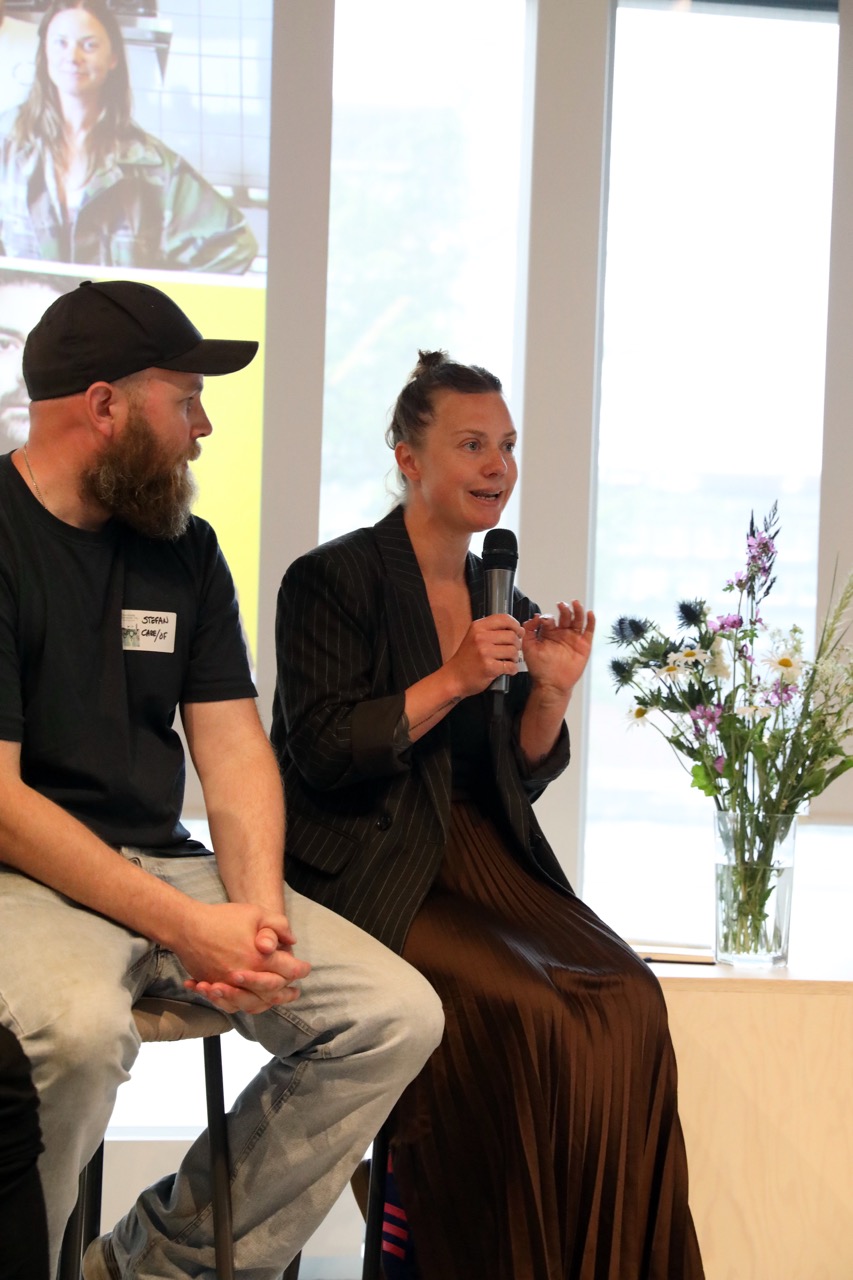
Skåne Beverage Producers and Innovation Centre for Rural Development was also present and described its shared effort to find meaningful use – and outlets – for the by-products generated in the production of craft beer, wine, cider and juice among beverage producers in Skåne. As was Malmö’s Nya Krögarnätverk (New Restaurateurs’ Network), whose ambition is to create a natural community where smaller, independent operators in particular can help each other, both with theoretical questions and things like joint procurement, shared extra-staff pools, and bringing students and restaurateurs closer together through restaurant schools.
“Too many cooks do not spoil the broth” said Linda Dahl from the Malmö Food Council concluded, connecting back to her own opening words that it is the restaurateurs, bar and café owners, and everyone else that supplies a city with food and drink, who make up its bloodstream.
Text by: Ebba Svennung Photo by: Emily Wilson Photography & Film
Sustainable Gastronomy Day at Media Evolution

What does Malmö taste like? At the City Hall.